SUBSCRIBE! Sign up for our daily newsletter and never miss a story!

(Image Credit: Jett Schwaier/CHAT News)
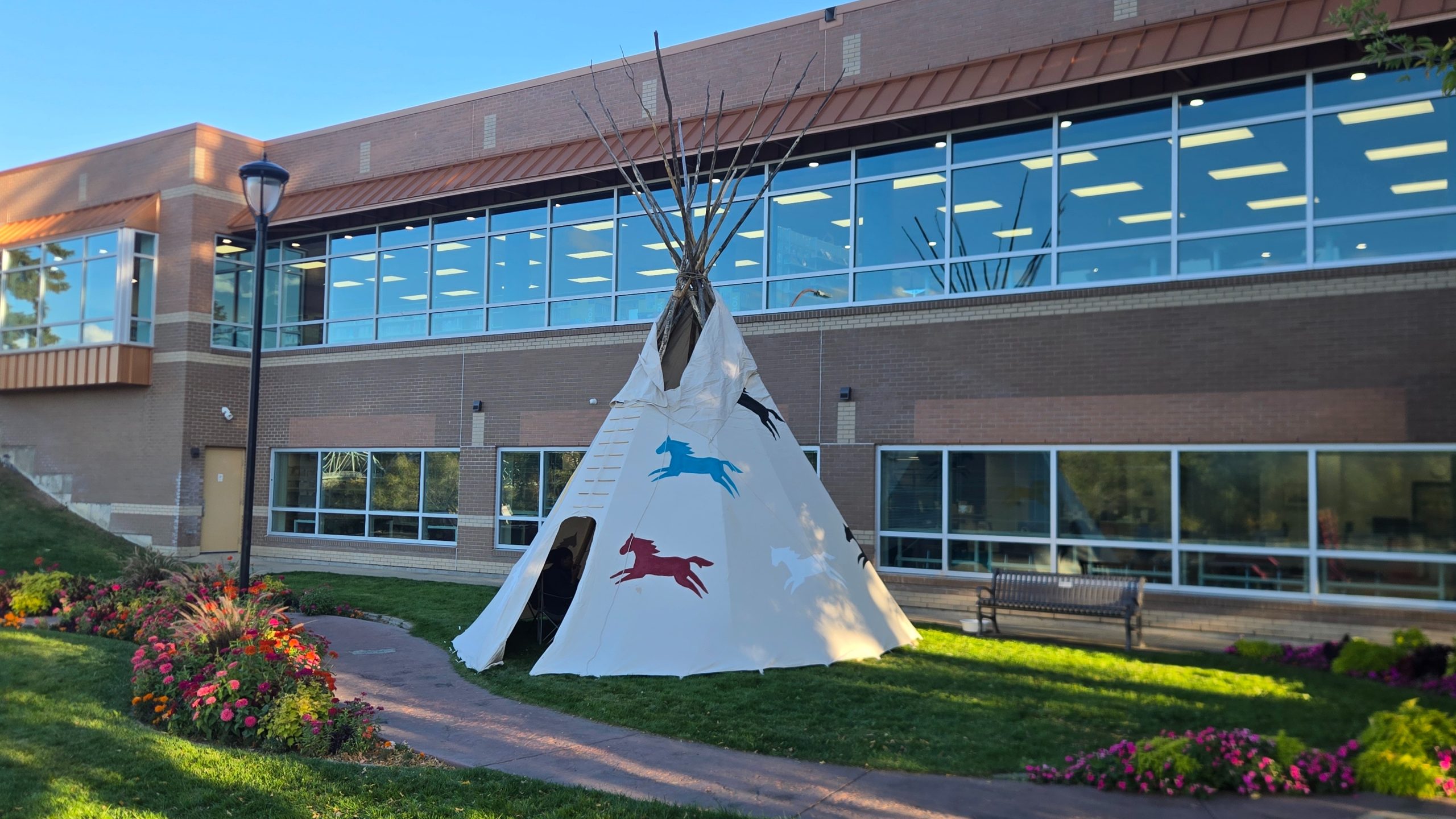
Seven completed Tepees

Medicine Hat community led tepee project builds connection, healing and belonging

Oct 7, 2026 | 2:46 PM

A Medicine Hat community project that set out to build seven handcrafted Dakota-style tepees has grown into something much bigger, creating opportunities for cultural connection, intergenerational learning and healing along the way.

The White Horse Rider Tepee Project began in February with support from Creation’s Healing and Belonging Stream and the National Sixties Scoop Healing Foundation of Canada.

By July 1, 2026, the seven tepees had been raised after community members harvested 140 lodge poles near Elkwater, painted canvas and sewed alongside Elders and youth.

For project lead and Indigenous consultant Brenda Mercer, the work was about more than building physical structures.

“This project gave our people a way to come home to something we’d been carrying quietly for a long time,” Mercer said.

“We weren’t just building tepees; we were rebuilding the muscle memory of who we are.”

The project was intentionally open to the wider community, bringing together Indigenous and non-Indigenous residents, youth, Elders and local businesses.

Each gathering began with an Indigenous smudge led by Kainai Nation Elder Charlie Fox, with programming throughout the project providing opportunities to share traditional knowledge and teachings.

For many participants, it also created space to speak openly about the Sixties Scoop, residential schools and the ongoing impacts of colonization.

Mercer said leading the project provided her with an opportunity to reconnect with her Standing Buffalo Dakota Nation roots.

“I’ve spent a lot of my life reclaiming things that were never supposed to be taken from me in the first place,” Mercer said.

“This project became a place where that reclaiming had a shape you could touch.”

One moment during the lodgepole harvest particularly stood out to Mercer, when Elder Fox gave a young boy a traditional Blackfoot name to recognize the accomplishment and to remember the ceremony.

Fox named the boy Apahtó’kii, a Blackfoot name for lodgepole.

For Mercer, the unplanned moment was a reflection of what the project had created, a space where cultural teachings and connections could happen naturally as people worked together.

The project was originally intended to have the tepees ready for Medicine Hat’s Canada Day celebrations.

Now that the project is complete, the tepees will continue to be displayed at various upcoming Indigenous events in Medicine Hat.

Project co-lead Davie James said during the pole harvest, the project is also believed to be the first in Medicine Hat’s known history in which a community group built tepees completely from the ground up.

Mercer said seeing Indigenous and non-Indigenous community members work together, learn from Elder Charlie and build new connections was among the most meaningful outcomes of the project.

“Across generations, from our elders to our grandchildren, this project mended something the Sixties Scoop tried to break,” she said.

While the seven tepees now stand as the physical result of the project, Mercer said the relationships, knowledge and sense of belonging created along the way are what will carry the work forward.

—

READ: A teepee project in Medicine Hat brings community together to share Indigenous culture

—

READ: Tree harvesting event progresses community-led teepee project for Canada Day in Medicine Hat

—

READ: Historic volunteer-driven teepee project ready for Canada Day celebrations in Medicine Hat

—

READ: Medicine Hat Public Library launches $5,000 initiative for Indigenous collections and programming