SUBSCRIBE! Sign up for our daily newsletter and never miss a story!

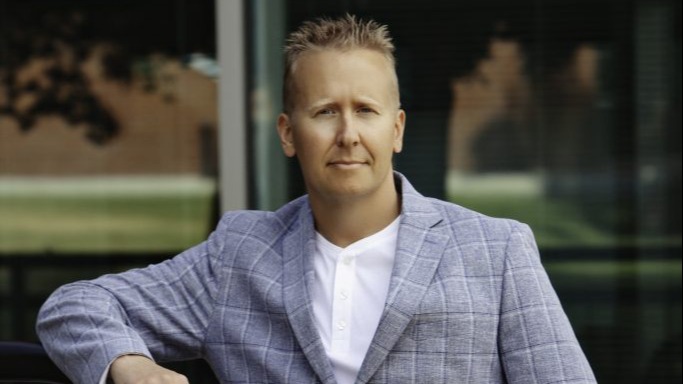
(Image Credit: Paterson Consulting)
converting orphaned oil wells to solar

Medicine Hat’s Paterson receives double nomination for ASTech Awards

Sep 15, 2026 | 1:31 PM

A southeastern Alberta project to turn orphaned oil and gas wells into community solar facilities has been nominated for two Alberta science and technology awards.

Wes Paterson says the project has been piloted in the Taber and Foremost areas and is receiving recognition in the energy innovation and regional innovation categories at the 37th annual ASTech Awards.

“Very excited to be nominated,” Paterson said.

“I’m also going to have the opportunity to lead a roundtable discussion around energy innovation and supporting regional innovation.”

Paterson, who runs Paterson Consulting Inc. in Medicine Hat, said the nominations reflect growing interest in finding productive uses for aging oil and gas infrastructure.

He adds that the technology and capabilities available to repurpose oil and gas infrastructure have advanced considerably, with the number of inactive and orphaned wells remaining a significant concern in Alberta.

“There’s actually landowners right now taking a civil suit out with the Alberta energy regulator because there is such a backlog on these oil and gas wells,” Paterson said.

“One of the things that we see that could be quite promising is we’ve already proved this out. We’ve already done these pilots, and they’ve just recently done a very high-tech one-megawatt project in the MD of Taber, so we’re looking to do more of these projects throughout the province.”

He also said interest is beginning to come from international investors looking at Canadian energy opportunities.

“Groups from other countries that are looking to invest in these energy markets include Asian countries like Singapore, which are looking at countries like China and the United States as being uncertain or a risk because the people in power at the top are making these quick, overarching, sweeping decisions,” Paterson said.

“They’re actually looking at Canada and Europe as opportunities to invest in energy markets.”

The potential, he said, goes beyond simply replacing an oil well with a solar array.

Repurposed sites could eventually support mixed-use energy projects, including power for manufacturing, agricultural operations or other local developments.

Paterson cited the growing demand for electricity from data centres as an example of the need for flexible approaches to local energy generation.

He also pointed to emerging technologies.

“There’s technology that’s coming out. There’s ultra-low noise turbines in Italy that can be used for both natural gas production and geothermal,” Paterson said.

“For these areas where there’s been environmental oil spillage. There’s also new technology coming out to take that soil and repurpose it, essentially terraform it,” he added.

“Another company that we’re working with is doing extensive research developing these humic and fulvic acid products that essentially can do in an hour or two, through a certain process, what takes Mother Nature 20-30 years.”

Paterson said several promising things are happening.

The goal, he said, is to develop projects that address multiple challenges at once, from energy costs and environmental liabilities to economic development.

But Paterson said regulatory hurdles remain one of the biggest barriers to moving projects forward.

He said several government departments and regulators, as well as grid operators and large utilities, need to be involved in the process.

“The biggest challenge right now is red tape and bureaucracy,” Paterson said.

Several potential sites have been identified in southeastern Alberta for orphaned oil and gas well conversion projects, and Paterson estimated another 20 to 30 sites could eventually be considered for future projects, depending on regulatory and other approvals.

He said the approach demonstrated through the Renuwell pilot projects could allow municipalities, counties and regions to develop energy projects suited to their individual needs.

That could mean solar in one location, or a combination of energy sources and existing infrastructure.

Paterson said recent announcements about provincial solar-panel recycling initiatives could also help address concerns about what happens to equipment at the end of its useful life.

Paterson is also scheduled to participate in several events this week and following.

He will attend the Oil Sands Expo in Fort McMurray on Wednesday and Thursday, and deliver the closing keynote speech, before attending the Aztec Awards in Calgary on Friday.

The awards event will bring together people from academia, industry and investment, Paterson said, with a new venture component intended to connect innovators with potential funders.

Paterson said that kind of collaboration is important as Alberta looks at new ways to develop and use energy technology.

In October, Paterson will also participate in the Alberta edition of the Canada FinTech Symposium 2026 in Calgary, where he plans to discuss the human side of technological change, particularly in rural communities.

Paterson said financial technology is advancing rapidly in some parts of the world and that similar approaches could help smaller communities as traditional financial institutions reduce their physical presence in rural areas.

He said adopting new technology requires more than simply introducing new tools.

“Change is uncomfortable. Change is hard,” Paterson said.

He adds that people working on the front lines need to be involved in technological changes for projects to succeed.

Meanwhile, Paterson also released his book, “The Hero’s Rope,” in six additional languages on Monday.

The translations include Japanese, Portuguese, Dutch, German, Spanish and French.

READ: Medicine Hat business consultant releasing book on improving how people work and lead (April 15, 2026)

An audiobook is also in development after Paterson recently completed a recording with the Bring Back the Porch Podcast team.

He plans to release a 365-day leadership book based on “The Hero’s Rope” in November, with each entry designed to be read in a single day.

For Paterson, the growing range of projects reflects the same broader theme: finding new ways to connect people, technology and opportunity.

He said Alberta’s energy sector remains well positioned to lead in that area.

“It really is leading edge here in Alberta,” Paterson said.