SUBSCRIBE! Sign up for our daily newsletter and never miss a story!

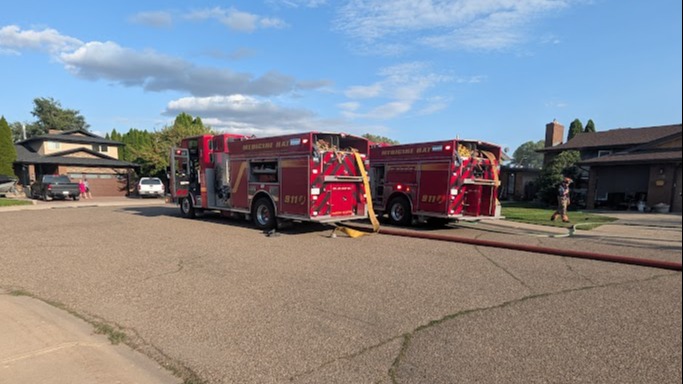
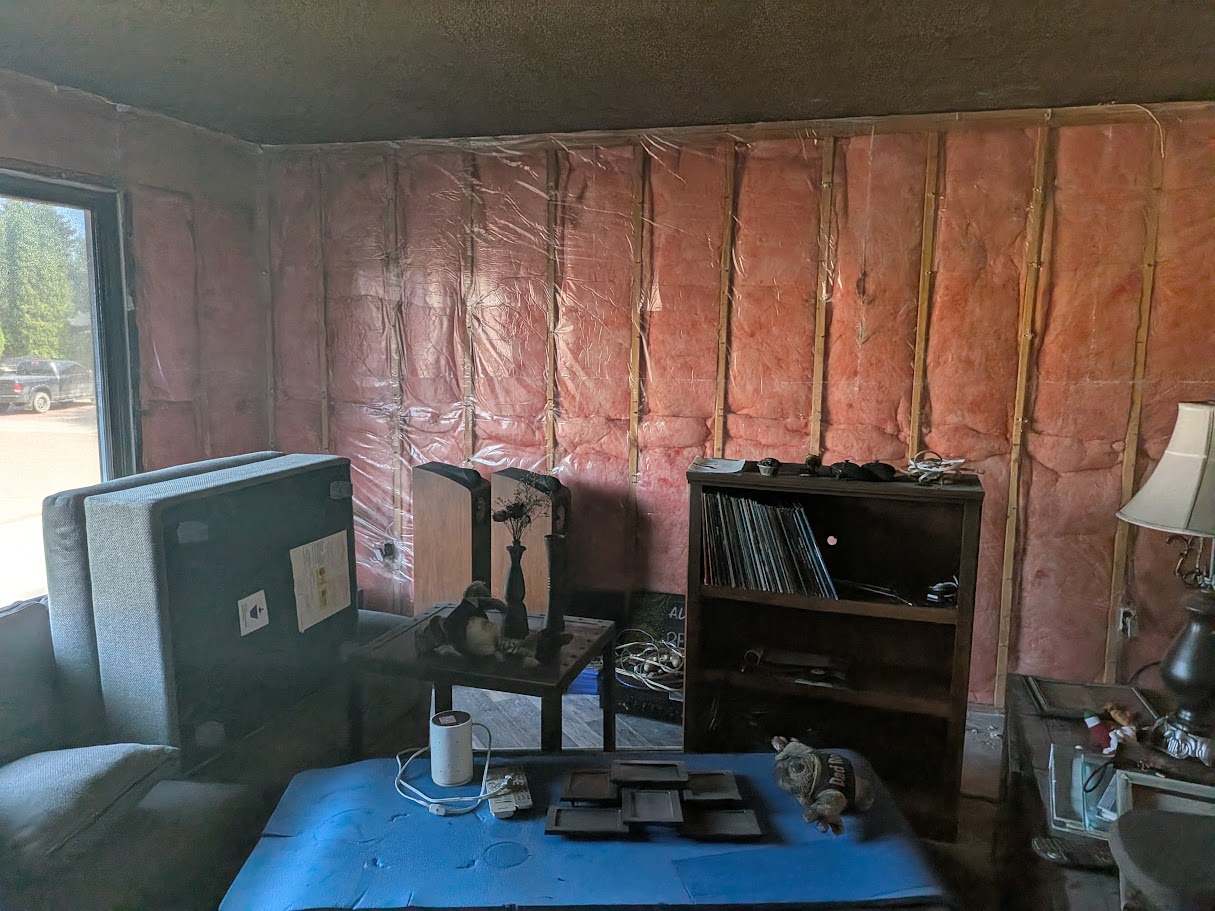
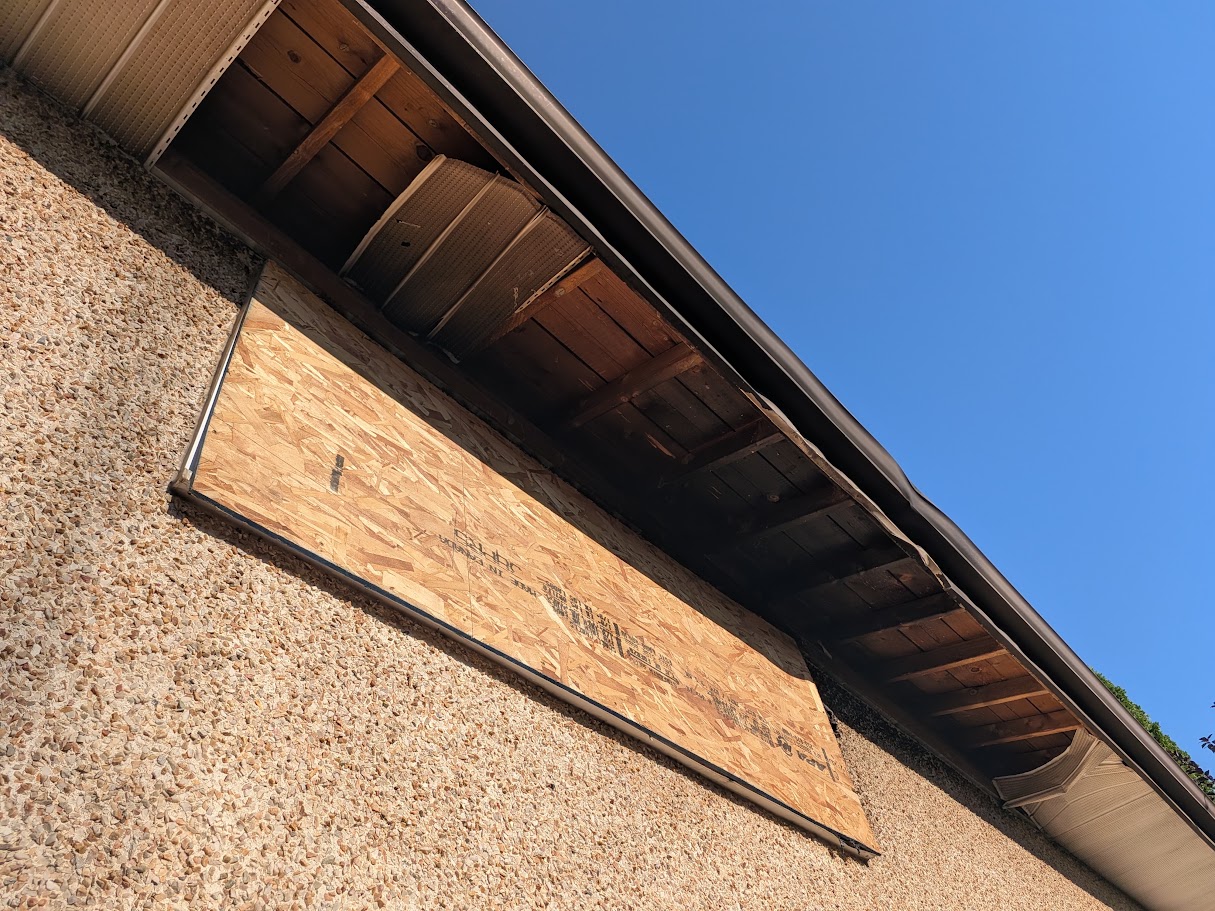
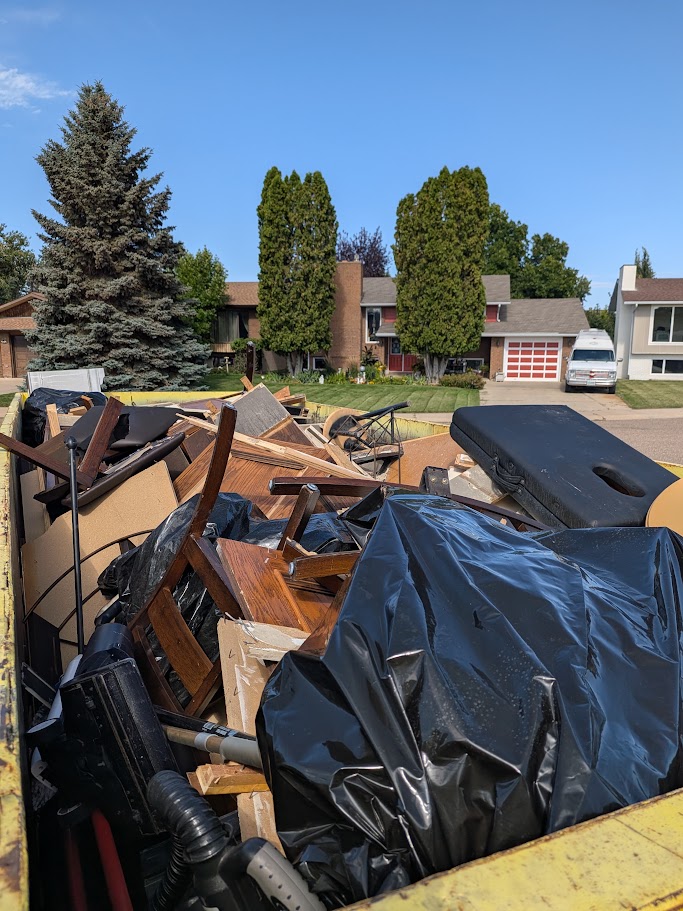
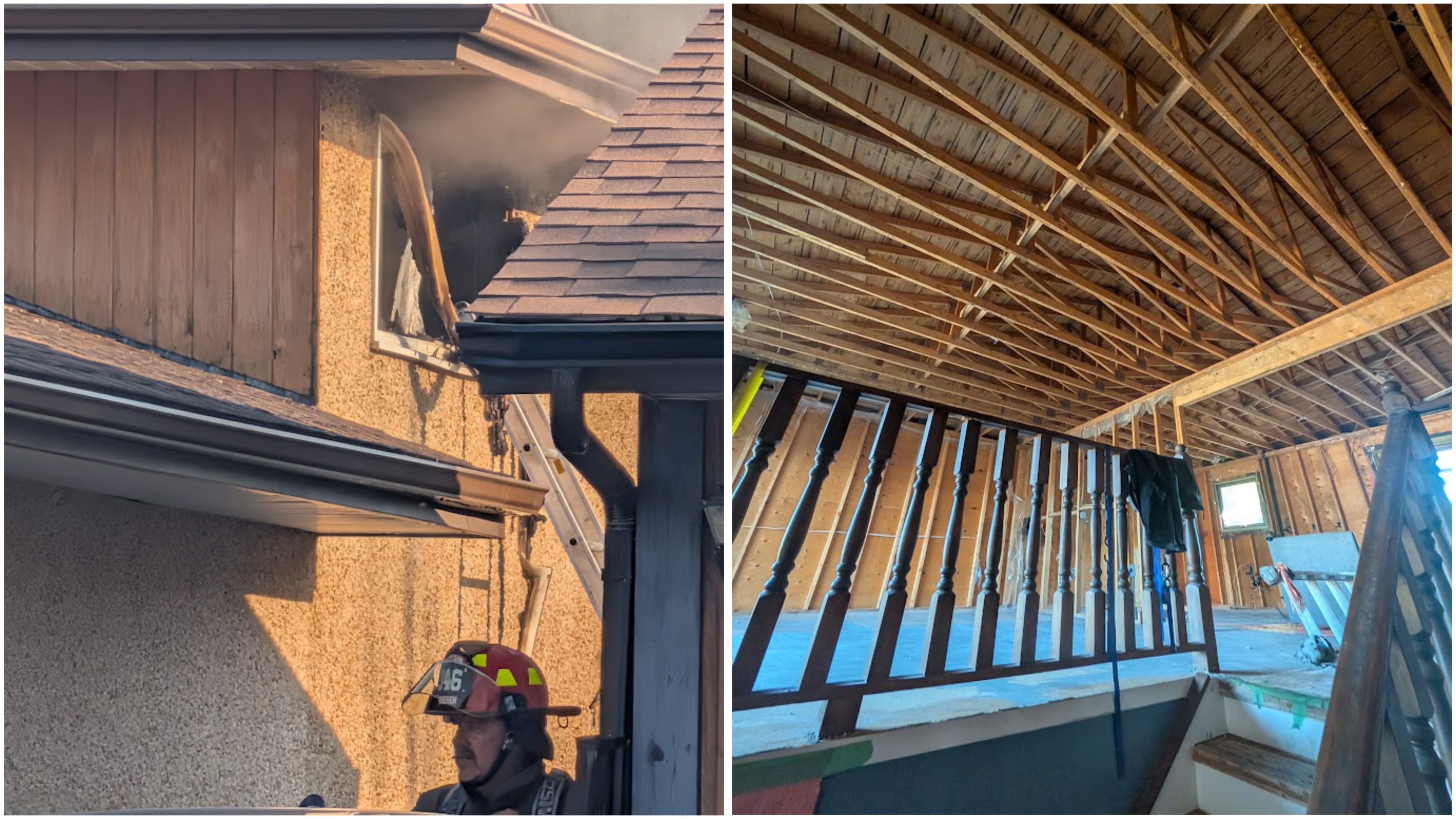
Picture of the fire at the Crestwood Home and the aftermath. (Image Credit: David Seney)
Uncertified Charging Device

Wireless charger sparks major Medicine Hat fire, leaves homeowner facing year-long displacement

Sep 24, 2026 | 1:31 PM

A wireless charging device with a detachable lithium-ion battery pack ignited and caused extensive damage to a Medicine Hat home in late August. The charging device was not certified.

The homeowner, David Seney, said the charger was purchased through Amazon and wasn’t in use when the blaze started.

“There was nothing even on the charger,” Seney said.

“It was just plugged into the wall.”

Seney was at work when a man working on a house across the street alerted him through his Ring doorbell that smoke was coming from the front door.

He called the fire department and rushed to his unoccupied home.

A fire investigation confirmed the charging device started the fire, but could not determine which component failed.

Kelli Ireland, a Fire and Life Safety Educator with Medicine Hat Fire and Emergency Services, said the fire damaged the device so extensively that investigators could not determine whether the battery, internal wiring or charging components had failed.

“We can’t confidently say which component of the device failed,” Ireland said.

“But we do know that the device failed and then ignited and resulted in a fairly significant fire.”

The fire caused extensive damage to the bedroom where the device was located, as well as smoke and water damage throughout the home during the late afternoon of Aug. 24.

Seney said the house will have to be gutted down to the studs in all but one room, and he expects to be unable to live there for about a year.

He said the experience has changed the way he looks at charging products, adding that it was the first time he had purchased a charger not made by his phone’s manufacturer.

Seney’s said consumers should stick with products made for their specific devices and be cautious about cheap, off-brand charging equipment.

Ireland said consumers should also look for recognized electrical certification marks such as CSA, UL or ETL when purchasing charging devices and other electrical products.

Those markings indicate that recognized safety organizations have tested the product, she said.

“If there is no certification mark on it, basically someone has produced it, and it went right to market,” Ireland said.

She said purchasing from reputable manufacturers and sellers can offer another layer of protection, particularly when buying electrical products online where third-party sellers may make it difficult for consumers to determine the product’s origin.

The warning extends beyond wireless chargers.

Ireland said fire officials have responded to several battery-related fires in the community this summer, including incidents involving people using the wrong chargers.

A charger can physically fit a device without being electrically compatible, she said.

“It fits, but it doesn’t necessarily send the right amount of voltage to that battery,” Ireland said.

“If it’s sending the wrong amount, particularly more than that battery is capable of handling, it can overheat very quickly and start a fire.”

Ireland said safe charging is a major focus in fire-prevention messaging, as the problem has become common.

Consumers should also avoid charging devices on beds or other soft surfaces, she said.

In one previous incident, Ireland said, a cellphone being charged under a pillow ignited a bedroom fire.

Lithium-ion battery failures can also pose a particular inhalation hazard, Ireland said, because batteries undergoing thermal runaway can release dangerous gases.

She urged people to treat charging devices as potential fire hazards rather than simply everyday electronics.

“Just because it fits doesn’t mean it’s compatible,” Ireland said.

Seney said the financial and personal consequences of the fire extend beyond the initial damage.

He is temporarily renting a furnished home while continuing to pay the mortgage, utilities and property taxes on his damaged house. He has also started an insurance-ombudsman case while working through the insurance claim process.

Seney said he has been fortunate to have photographs and purchase records documenting many of the possessions that were destroyed.

A friend has organized a GoFundMe campaign to help him cover expenses during the displacement.

—


(Image Credit: David Seney)

—


(Image Credit: David Seney)

—


(Image Credit: David Seney)

—


(Image Credit: David Seney)

—


(Image Credit: David Seney)