SUBSCRIBE! Sign up for our daily newsletter and never miss a story!

(Image Credit: Jett Schwaier/CHAT News)
IN THE COMMUNITY

Prairie Rose bee project gives students hands-on experience in agricultural research

Sep 17, 2026 | 5:19 PM

Prairie Rose Public Schools is expanding its agriculture education programming through an apiary project that is giving students hands-on experience with bee health, pollination and agricultural research.

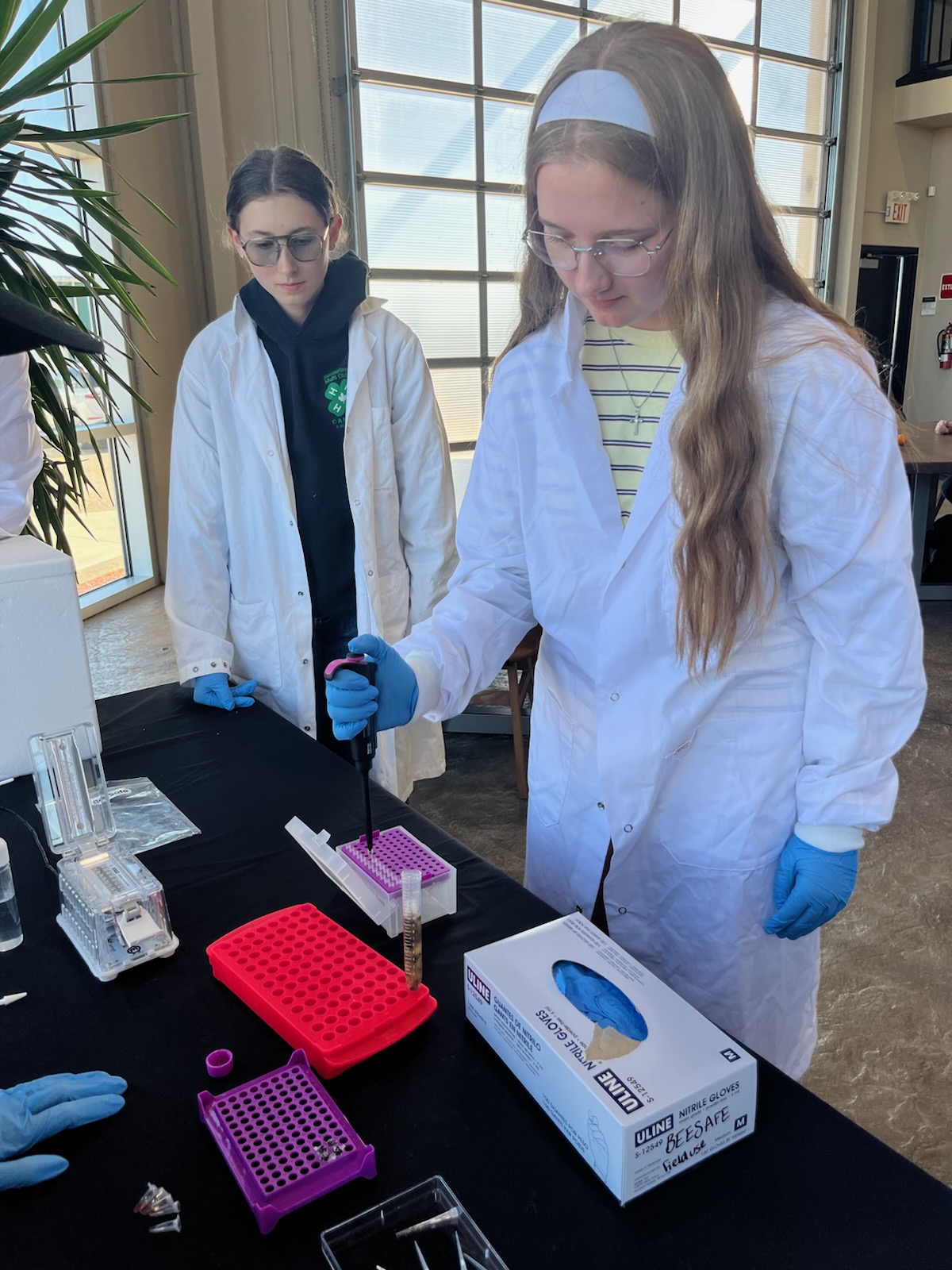
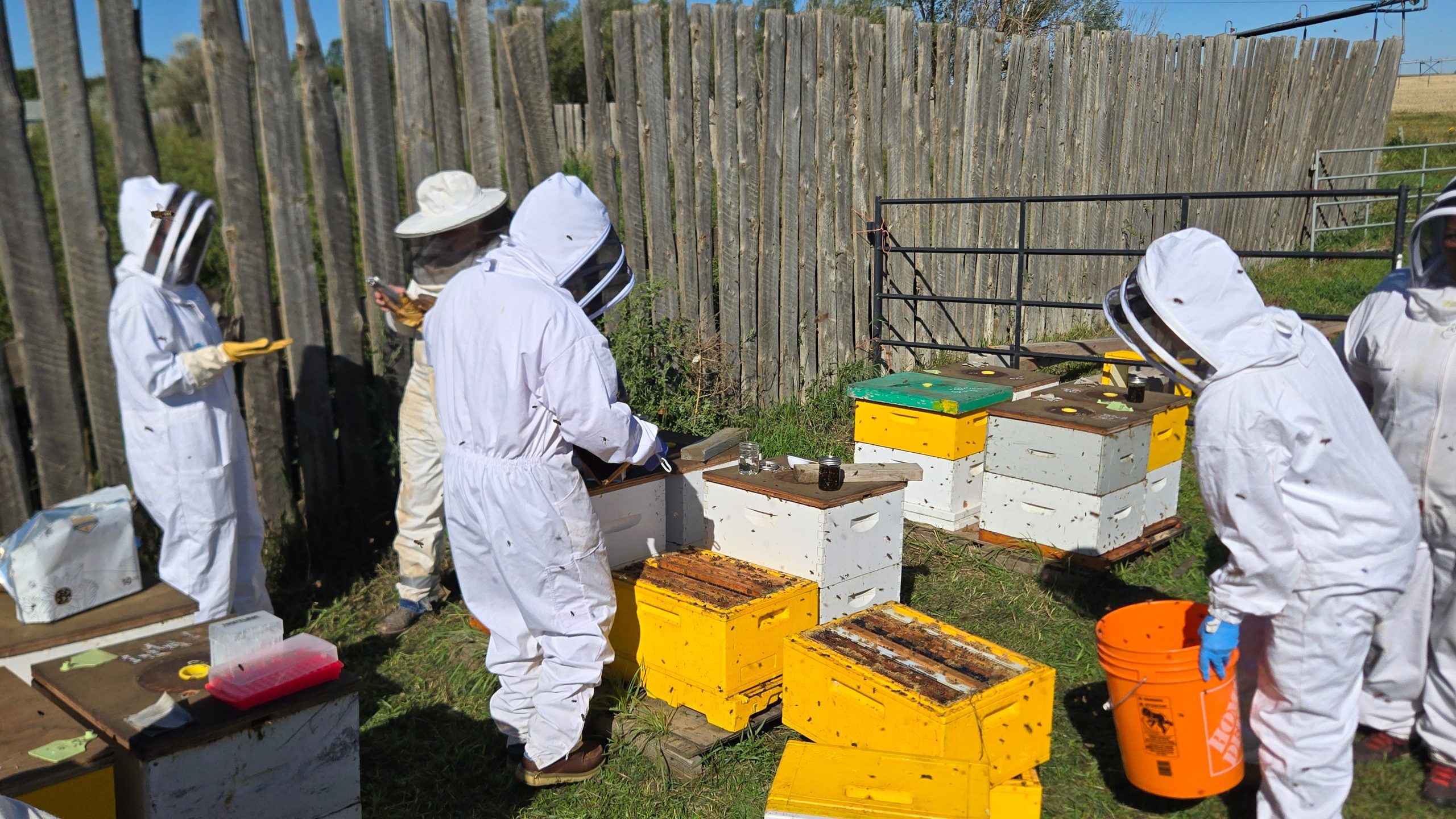
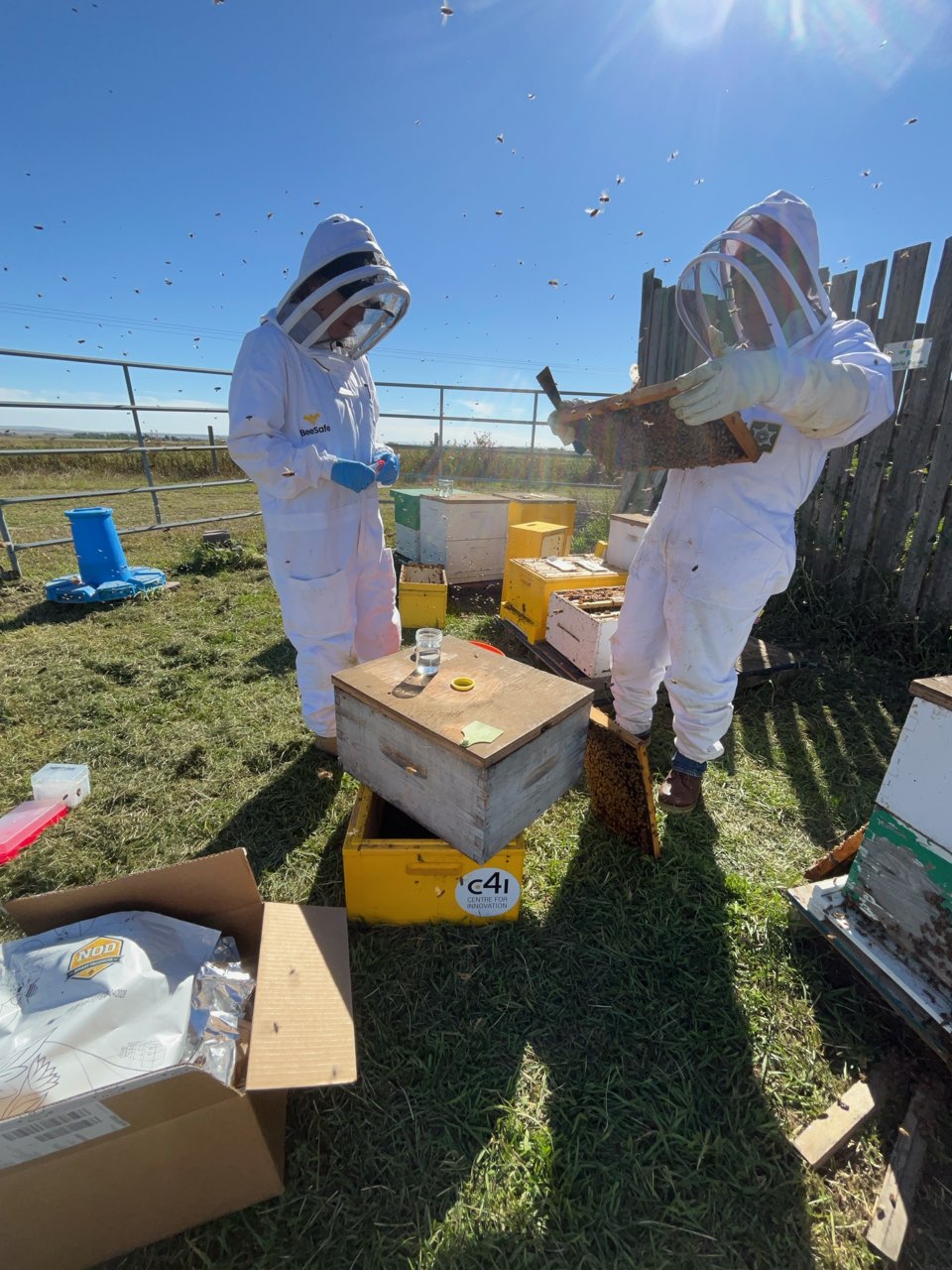
On Thursday, Sept. 17, students and guests gathered at the Prairie Rose bee yard at Neubauer Farms to see agricultural innovation in action as a University of Lethbridge researcher demonstrated technology designed to quickly detect honey bee viruses.

The demonstration was led by Jenna Letain, a 2017 graduate of Oyen South Central High School and Prairie Rose Public Schools, who has since returned to work with the school division as a scientist and researcher through a partnership with the University of Lethbridge and BeeSafe.

The day included a demonstration at the bee yard with master beekeeper Sheldon Hill and Stella Sehn, followed by research testing with Eagle Butte students at the South Alberta Collegiate.

(Image Credit: Jett Schwaier/CHAT News)

(Image Credit: Jett Schwaier/CHAT News)

(Image Credit: Jett Schwaier/CHAT News)

Nicole Neubauer, director of agriculture with Prairie Rose Public Schools, said the event highlights the connection between agricultural education, research and career opportunities.

Beginning a couple of years ago, the apiary project was part of an earlier bee education initiative that helped students learn about bees and the importance of pollinators.

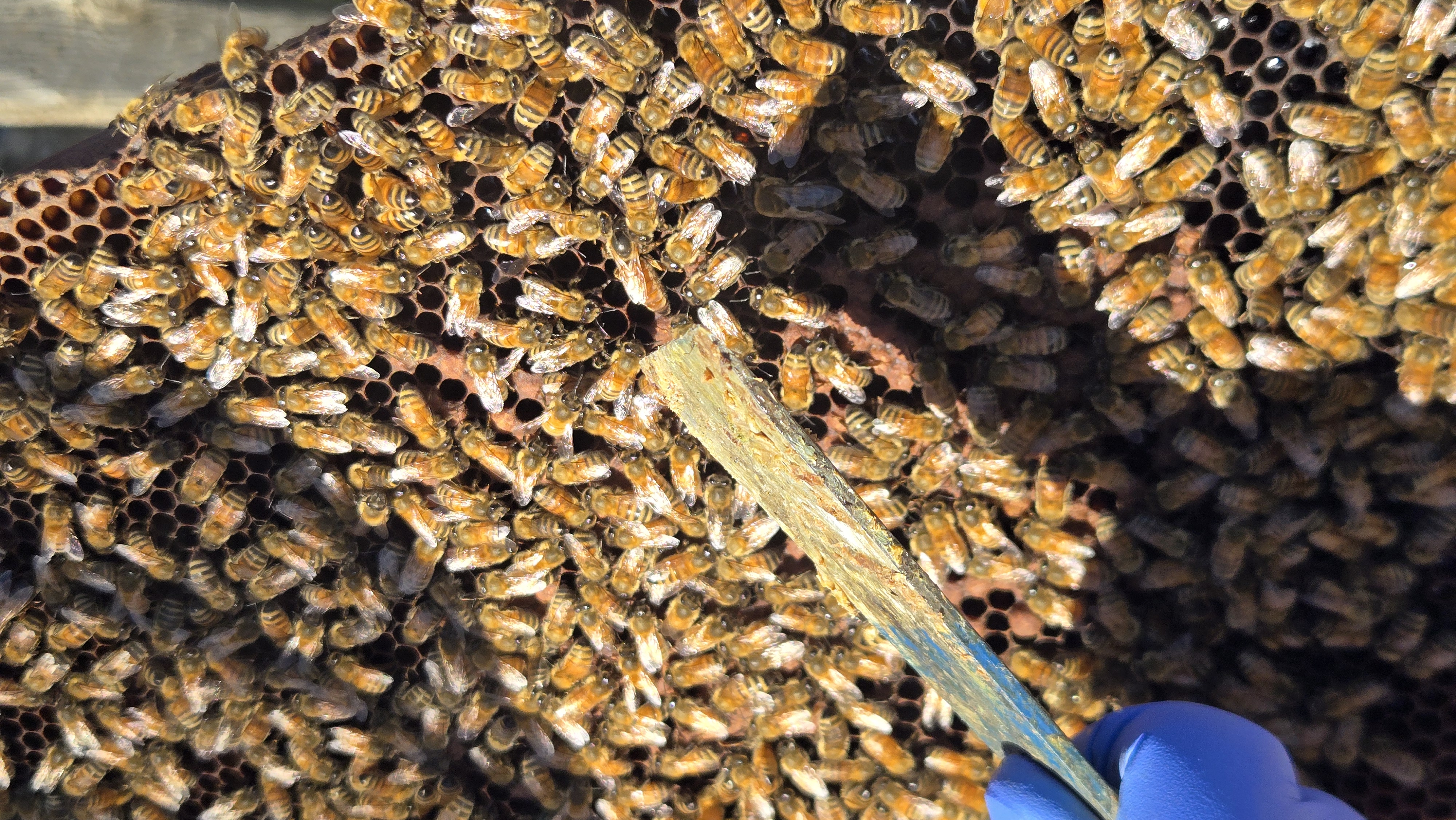
The project will give students an opportunity to learn about pollinators, bee health and hive dynamics, as well as the management required to keep bee colonies healthy.

“Bees are like livestock, just like having a cattle herd or a flock of chickens,” Neubauer said.

“They require intervention and management, and that’s all fantastic learning opportunities for students.”

The project is also being used as a training ground for agricultural research.

The bee yard is currently located at Neubauer Farms, where the hives are managed and honey is harvested, as the hives will eventually be relocated to the Yuill School of Agriculture.

Once the school is operational, the bee yard will be moved from Neubauer Farms to the school site, giving students regular access to the hives and the opportunity to observe and evaluate the results of their work.

The school is a new agriculture college in partnership with Prairie Rose, currently under construction between Medicine Hat and Dunmore.

READ: The Yuill School of Agriculture brings a new era of agriculture learning to Medicine Hat and Cypress County

Neubauer said projects such as the bee research allow students to see the range of careers connected to agriculture, science, technology and research.

That hands-on approach is central to the vision for the Yuill School of Agriculture.

The school is being built on 76 acres of land that Prairie Rose plans to use as a living laboratory, where students can learn agriculture through direct experience and decision-making.

The Yuill School of Agriculture is expected to open to students in September 2027.

The University of Lethbridge research, that had been demonstrated on Sept. 17, includes a rapid diagnostic tool that can be used by beekeepers to identify threats to honey bee health.

Neubauer said the technology could help producers make more informed decisions about their hives rather than treating colonies without knowing whether they have been affected.

The project is also examining the use of insulated hives.

Traditional beehives are generally wooden boxes that are wrapped during the winter to protect colonies from cold temperatures.

The research is seeing whether insulation can also help protect bees from extreme summer heat.

During hot weather, bees expend energy collecting water and fanning their wings to regulate the temperature inside the hive.

The theory behind insulated hives is that reducing those temperature swings could allow bees to spend more energy gathering pollen and nectar.

Neubauer said two years of research using insulated hives compared with standard hives showed an increase in honey production of about 60 to 70 per cent.

She added that the research could also help create stronger colonies that are better able to withstand threats such as varroa mites and survive the winter.

The school has also been given a green light for research funding to support the two projects, although the grant and funding amount are still being finalized.

Neubauer said the funding allows producers to test new ideas on a smaller scale and use research to guide agricultural decisions.

The goal is to move the Prairie Rose honey program beyond simply producing honey and use it to explore methods that could help beekeepers raise bees more efficiently.

The project is also intended to allow students to see how agricultural research and development works outside of a traditional classroom.

The return of a former Prairie Rose student as a researcher is another part of that connection.

Neubauer said the bee management program will be one part of broader life sciences programming planned for the site.