SUBSCRIBE! Sign up for our daily newsletter and never miss a story!

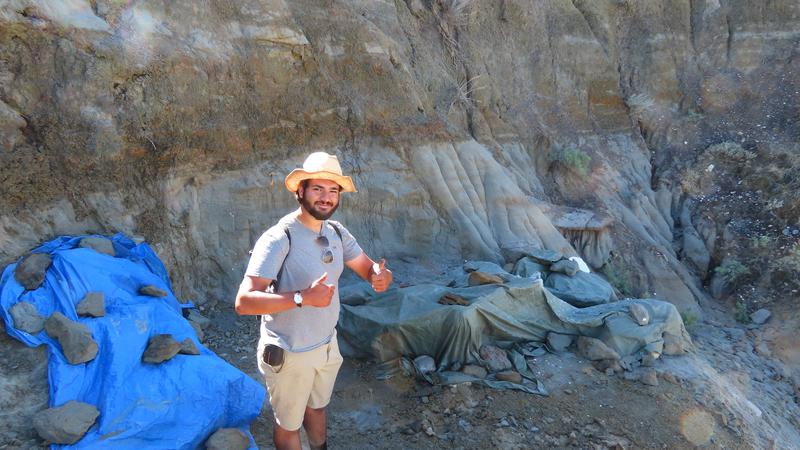
Medicine Hat's Andre Mueller at Dinosaur Provincial Park during their dig. Submitted Photo
SMILE SUNDAYS

Medicine Hat man part of group to find new species of dragonfly fossil, also first dinosaur aged one in Canada

Aug 24, 2025 | 11:47 AM

A Medicine Hat man is part of a group of students from McGill University that found a new species of dragonfly.

The paleontology students made the discovery at Dinosaur Provincial Park in the County of Newell, about a 75 minute drive north west of Medicine Hat in 2023, but confirmed their finding earlier this month.

23-year-old Andre Mueller of Medicine Hat is the lead author on the study and a masters student in the field of biology at McGill University.

He said it’s the first dinosaur age dragonfly found in all of Canada, which was pretty special.

“This is the first one that has confirmed lived alongside the dinosaurs,” Mueller said.

“They used to roam the land 35 million years ago. We also identified it as a new species,” he added.

“We named it Cordualadensa acorni. We named it after John Acorn, sometimes better known as the Nature Nut, thanks to the TV show, and we named it after him in thanks for all of his contributions for Canadian insect research, inspiring young folks like myself here in Alberta to appreciate the outdoor and for all of his work in Dinosaur Provincial Park.”

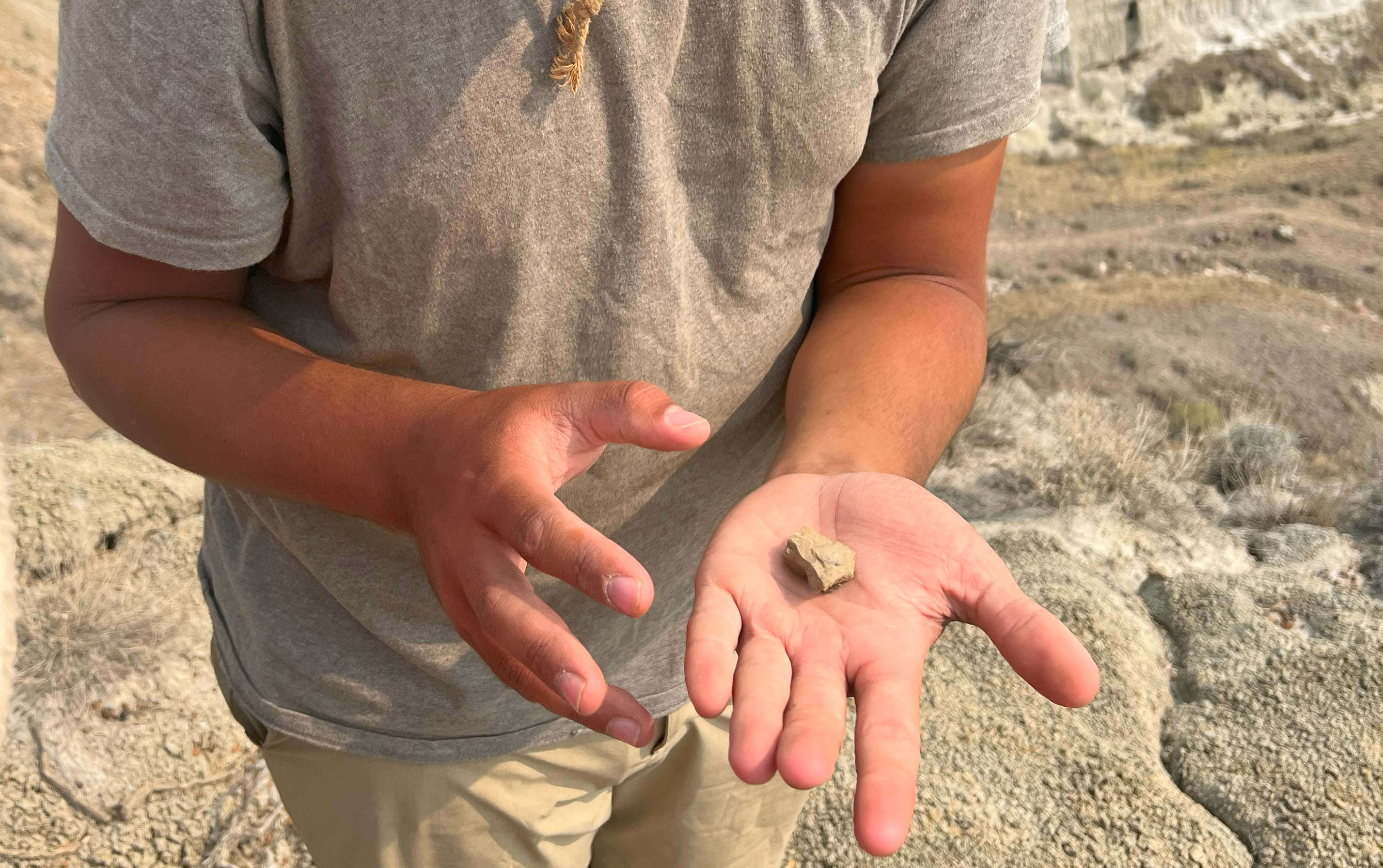
The dragonfly fossil in hand. Submitted Photo

A news release from the university said it sheds light on a 30-million-year gap in the evolutionary history of dragonflies.

Mueller said when the fossil was found by a student he was the first one to identify what it was, and it isn’t as large as one might think.

“Its wingspan was about the width of a human hand, and while small, it would have been an important part of the Cretaceous ecosystem—a tasty raptor snack,” Mueller said.

“It definitely caught us by surprise. While it is about the same size as modern dragonflies, the anatomy to it is just bizarre. Nothing like we’ve ever seen before,” he added.

“It’s completely different than anything else we’ve seen on earth so far.”

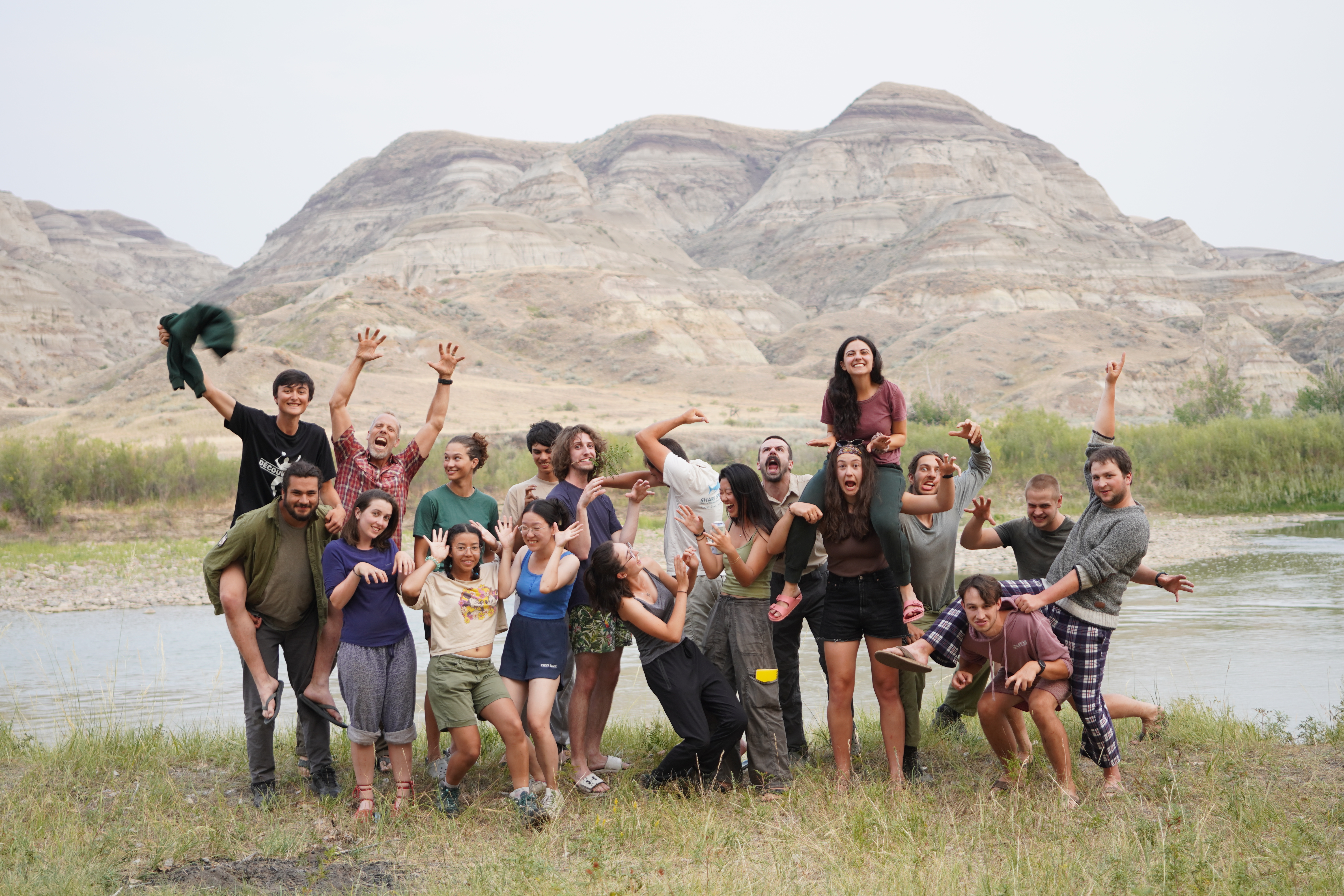
Group picture. Submitted Photo

When the field crew of about 20 students and staff originally went to Dinosaur Provincial Park, Mueller was a teaching assistant in the group.

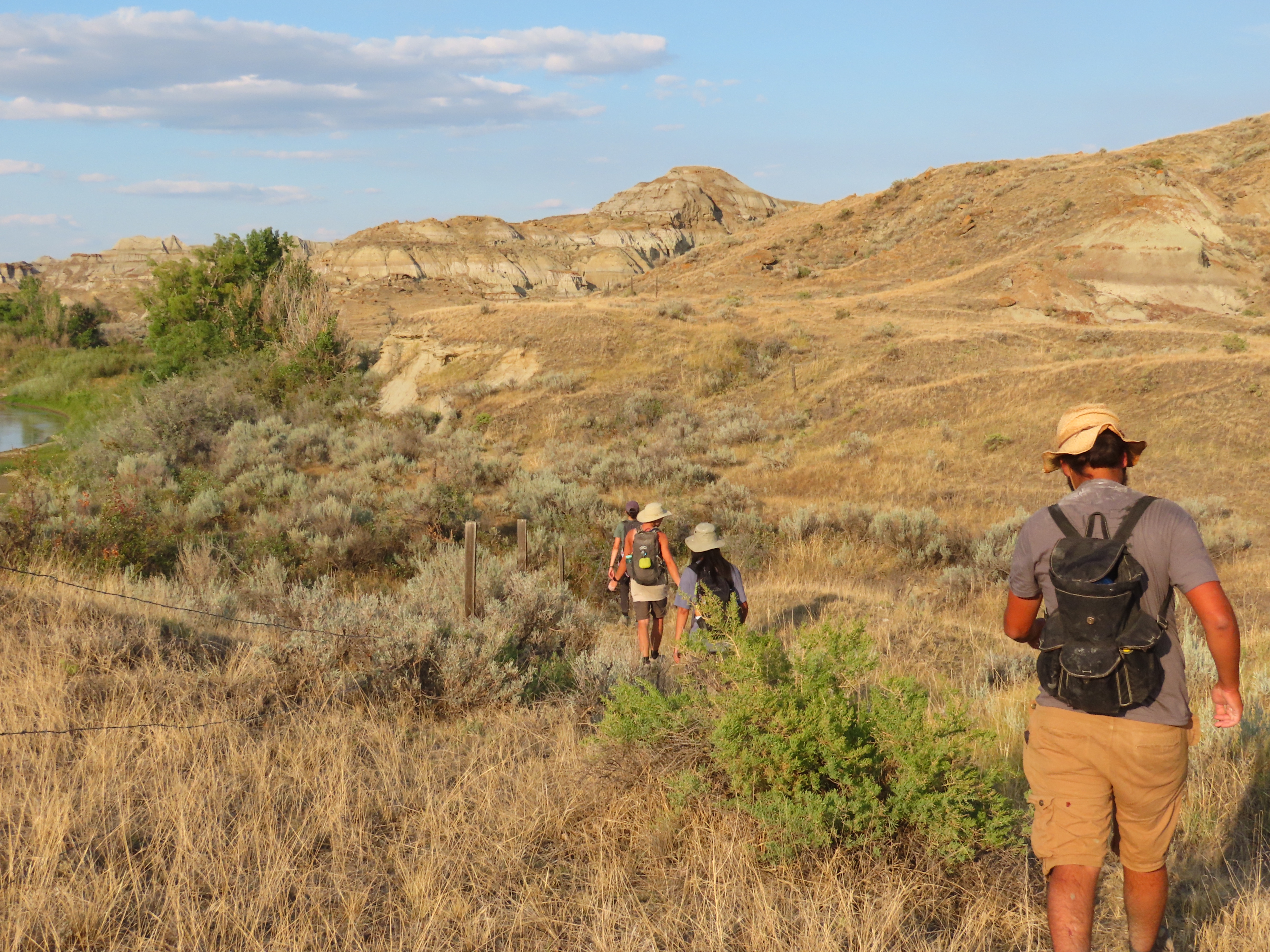
“The purpose of our research over there was to dig out a plant site where we’re finding a lot of different 75 million year old plant fossils. And we were going through there expecting to only find plant,” Mueller said.

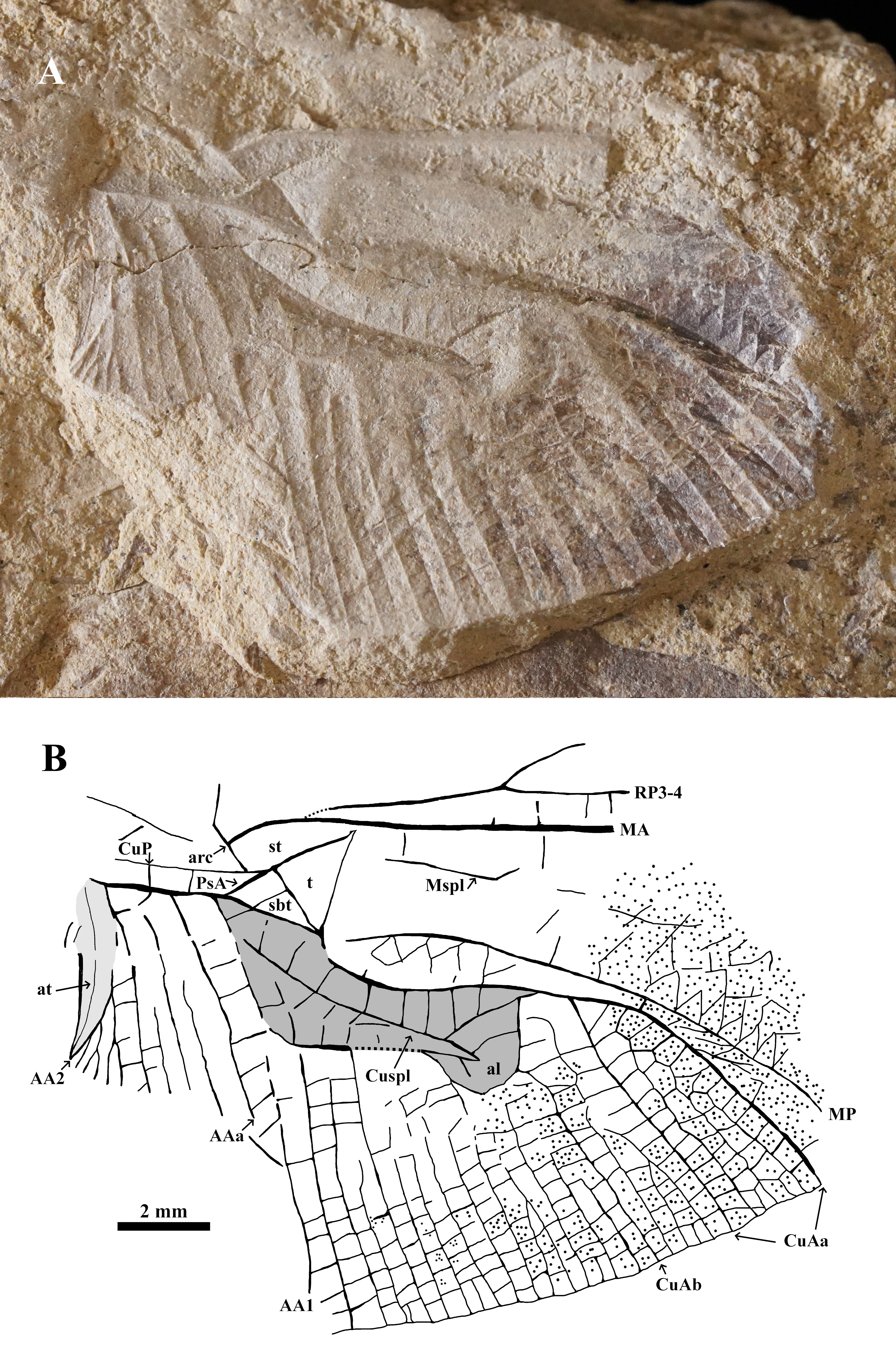
“But there was one little rock that came out that was quite peculiar. It wasn’t really what we were expecting to find. And that rock and the impression that was found on it ended up being a fossilized wing,” he added.

“When we cracked open two rocks, that wing kind of showed itself. We were pretty excited because no wings have ever been found in Dinosaur Provincial Park and its surrounding area.”

Mueller said they were over the moon with the discovery,

“Being able to go out and find new things that have never before been seen by humanity, and being able to discover these new species, that feeling is indescribable,” Mueller said.

“This discovery really marked the first insect impression fossil of its kind in all of Dinosaur Park ever. Since that one, we’ve now had our eyes peeled on, it’s like, oh, there’s gotta be more out there,” he added.

“And low and behold, we have started to find more. It’s pretty exciting to be able to be on the forefront of research there.”

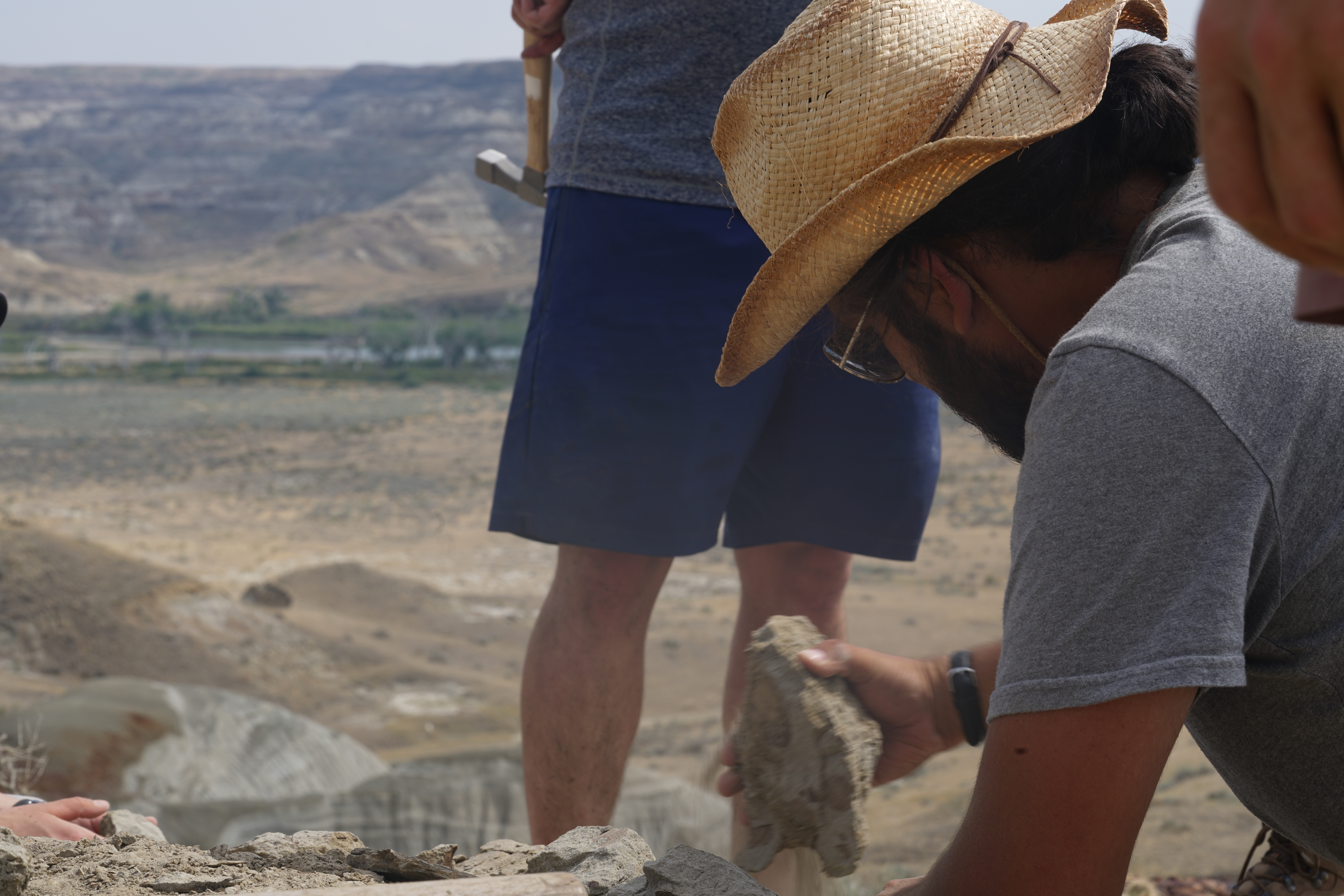
Field photo at Dinosaur Provincial Park. Submitted Photo

Mueller said it took time to find the initial fossil, and then to confirm the finding.

“We had been excavating that site for two years at that point, and that was the first one that came out. It took us about a year, roughly, to do all the imaging on it, to get our interpretation of what we’re looking at, and then go through all the literature, all of the previous discoveries, make sure that the thing we found is something unique and not something somebody else had found 70 years ago,” Mueller said.

“Confirming that it is new, it is unique, then describing all the anatomy, going through the literature, writing up the paper, that took all about a year. Then the peer review process took about another nine months, which would bring us to about last month when we got published. So, we’re looking at time span about a year and a half to get out there.”

According to a news release from McGill, the study’s findings were published in the Canadian Journal of Earth Sciences.

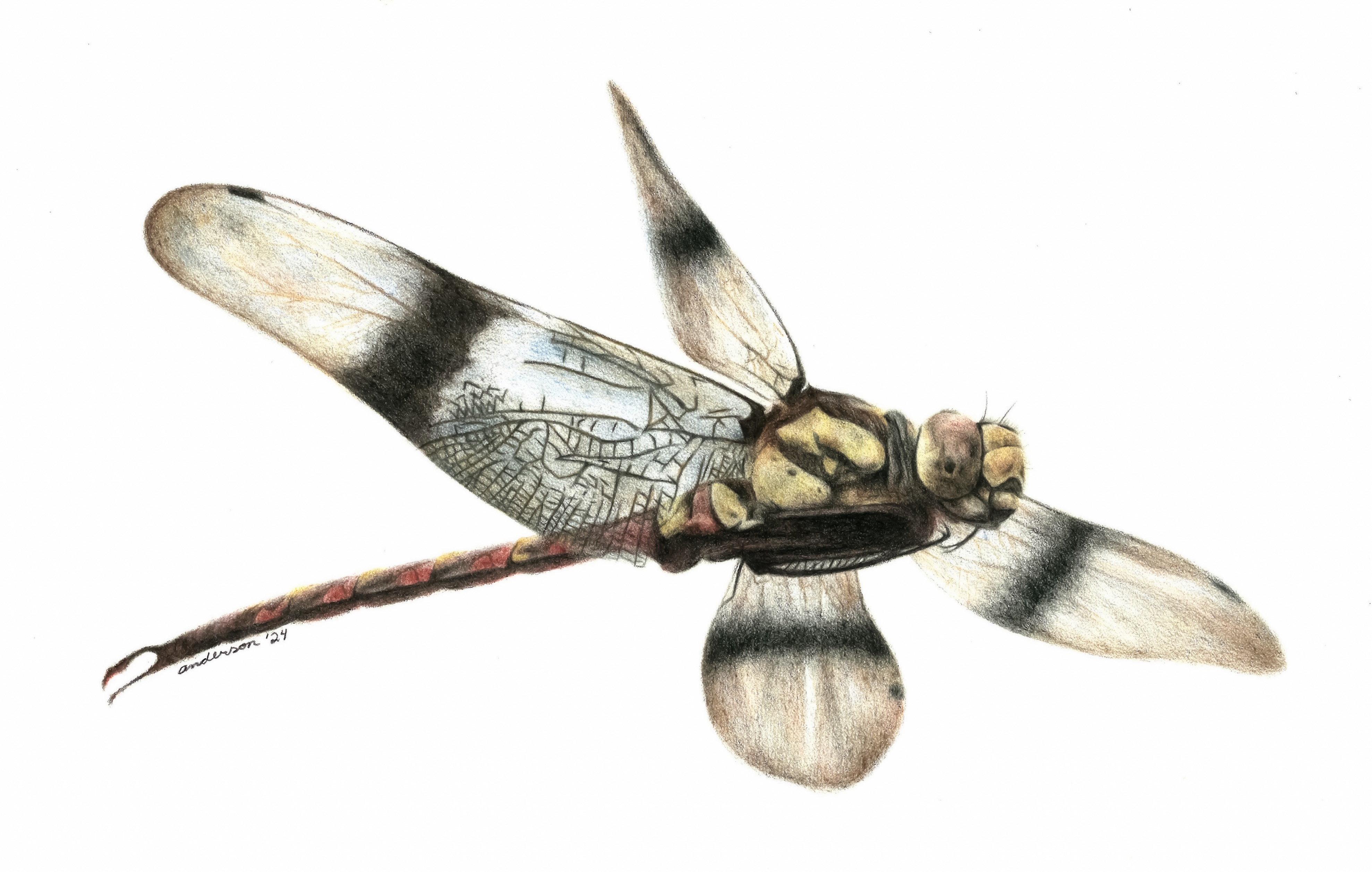
Fossil and a figure. Submitted Photo

The fossil and its artistic reconstruction was created by McGill undergraduate Alex Anderson.

It now provides an idea of what ancient Canadian dragonflies may have looked like.

Submitted Photo

Mueller plans to stay in the paleontology field for a long time.

“Growing up in Alberta, being able to give back to it and help us learn all these cool things that are beneath our feet and being able to kind of share the heritage of our province is a pretty special opportunity to be able to do,” Mueller said

“I started out as a dino kid, as a lot of kids do, just obsessed with dinosaurs. I did actually grow out of it later in life, but once I went to university, I stumbled back into it and realized that this whole time, that was the one thing that I’ve always wanted to do, and I’ve never looked back,” he added.

“We have this saying, you’re working on digging the bone till you become them. So, I’ll be in this for the rest of my life.”

With paleontology schools at the University of Alberta and University of Calgary, Mueller said his desire to go to school in Quebec came from his time at French Immersion School in Medicine Hat.

“I came through the French Immersion Program, St. Thomas School, went to St. Mary’s and stuck with it into McCoy. Just having that, wanting to use the French language was kind of my motivator to go out there,” Mueller said.

“You always feel that yearning to come back to Alberta. So I’ll probably end up coming back there once I’m done with my school.”

Submitted Photo