SUBSCRIBE! Sign up for our daily newsletter and never miss a story!

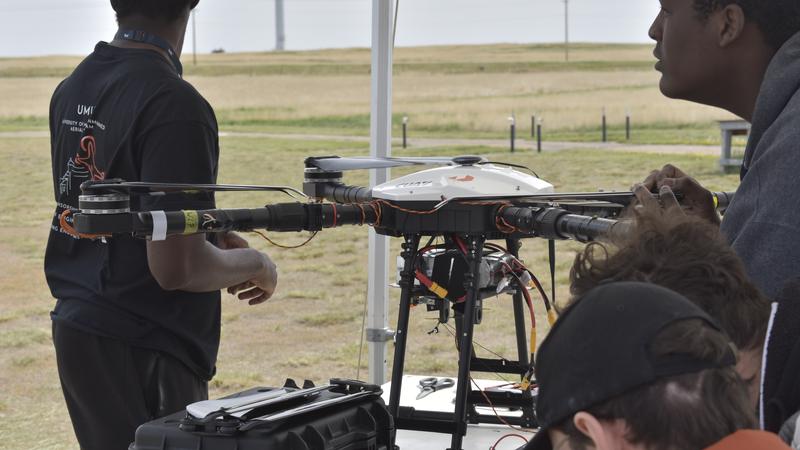
National drone competition in Medicine Hat showcases ingenuity in autonomous wildfire response. Jayk Sterkenburg/CHAT News
TECHNOLOGY

Autonomous wildfire response an aim of national drone competition in Medicine Hat

May 11, 2025 | 3:11 PM

The National Student Unmanned Aircraft Systems Competition was hosted in Medicine Hat for the first time from May 9 to 11, advancing Canada’s position as a global leader in autonomous aerial system technologies.

READ: National drone competition coming to Medicine Hat in May

Each year, Canadian university and college students compete to address a real-world challenge with the use of Unmanned Aircraft Systems technology — or, drones.

The theme for this year’s challenge was wildfire detection and response.

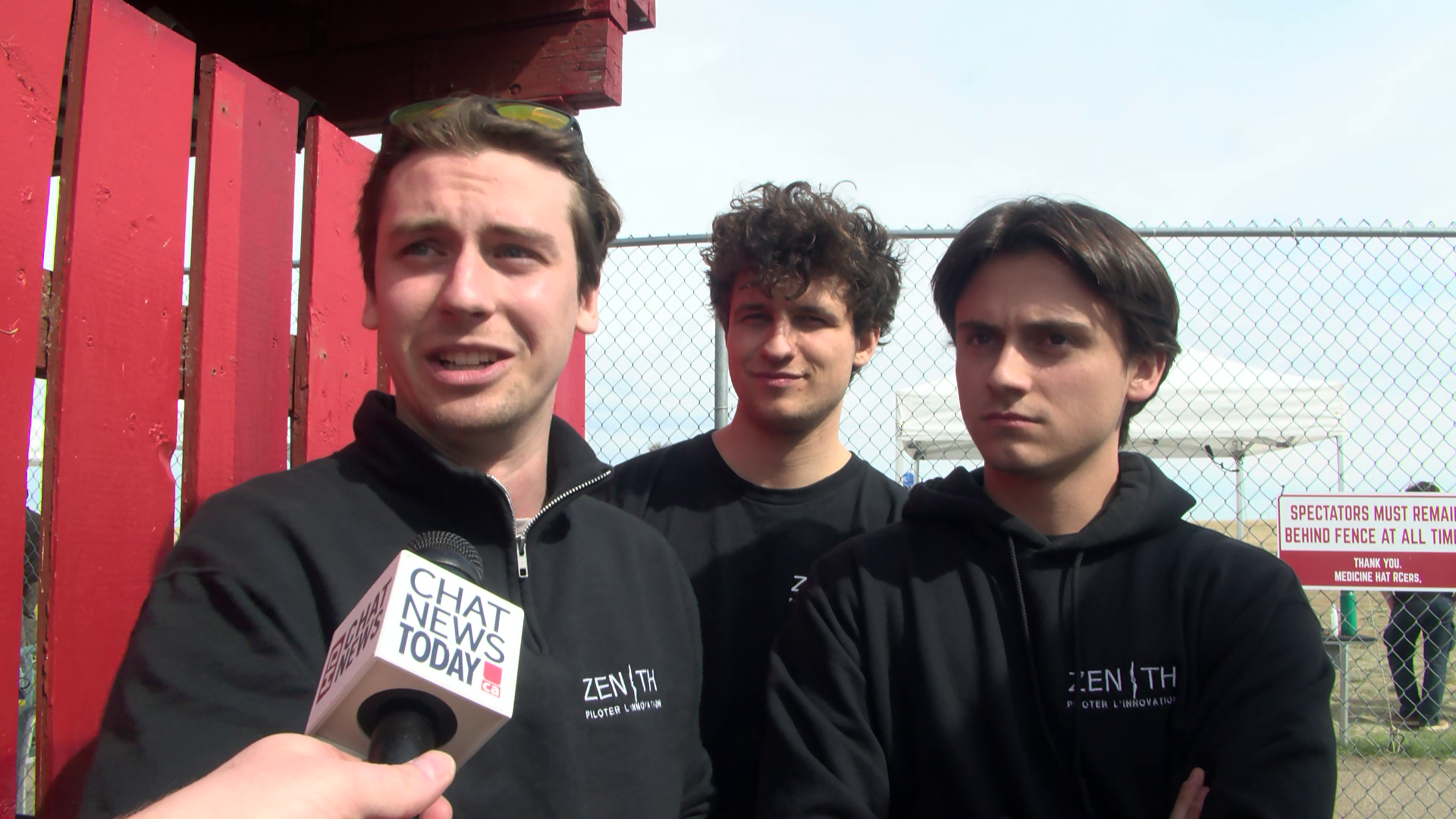
Colein Iousseau, a student of École de technologie supérieure in Montréal, said drones can access areas pilots can’t, and competitors came up with concepts to prove these uses.

“Our goal here was to find some hotspots, to identify the coordinates of the hotspots, and also afterwards, task two- which is today- to extinguish the simulated fires, which were simulated with actual buckets,” he said.

The Aerial Evolution Association of Canada is the country’s leading national industry association dedicated to the advancement of the commercial drone and UAS sector.

A record 19 teams from across Canada were called to Medicine Hat as industry innovators to drive the future of wildfire response.

Following Canada’s worst wildfire season ever recorded in 2023, the Ministry of Forests is looking to automate first response to small-scale wildfires with UAS.

Bidders were invited to propose their design for a system to meet the criteria specified in the Concept of Operation, construct a subscale prototype, and participate in head-to-head flight assessments.

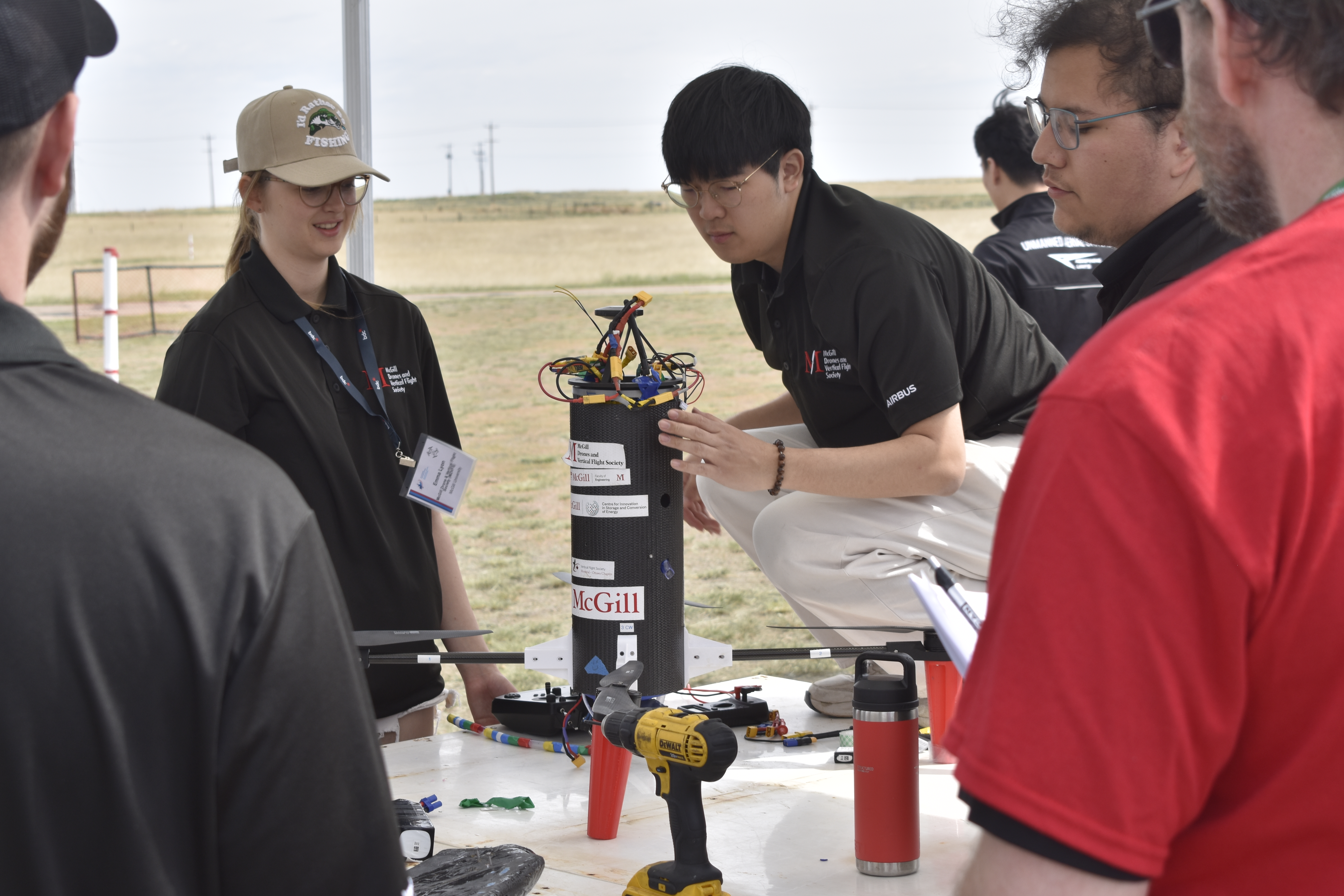
McGill University (Montréal, QC) students perform last minute touch-ups on a wildfire response drone concept. Jayk Sterkenburg/CHAT News

Community Futures Entre-Corp hosted the competition and said with it, the AEAC is advancing Canada’s position as a global leader in autonomous aerial systems technologies.

University of Waterloo student Balaji Leninrajan said technologies like these are what drones are starting to rely on.

“Last term we required a decent bit of autonomy work. This term even more, that’s one of the big things about this competition,” he said.

“We rely heavily on autonomous operation, so AI and all the other fancy buzzwords people are using now.”

Iousseau’s teammates Kos Maroy and Pablo Miro-Lucas, also from Montréal, said drones can prevent people from having to be put in dangerous situations.

“Theoretically, [the drone] could just run 24/7 and just try to detect fires over a certain zone,” Maroy said.

“Changing its batteries and going in again and again and again,” Iousseau said.

“The advantage with quadcopters, the drones we work with, is that it’s really precise, so you can really drop where you want the water to be dropped,” Miro-Lucas said.

Iousseau added this function would create less uncertainty in combating a fire.

“You can really go spot on, on a source,” Miro-Lucas said.

Iousseau said drones can be used to access areas that pilots can’t. Jayk Sterkenburg/CHAT News

Tochi Okoro, another student from Waterloo, said drones come in all sizes, increasing their potential.

“Just places where humans can’t really access, but other different types of technology can,” she said.

“I think it’s something that a lot of companies nowadays are looking into.”

Okoro said the drone industry has been growing, and that the competition allows students to communicate with companies who may utilize drones themselves or are looking for ways to integrate them into their research.

“[They’re] definitely used for a lot of different applications, depending on what the company really wants to apply it for,” she said.

“It’s definitely something that’s a lot bigger than it was- let’s say ten, twenty years ago.”

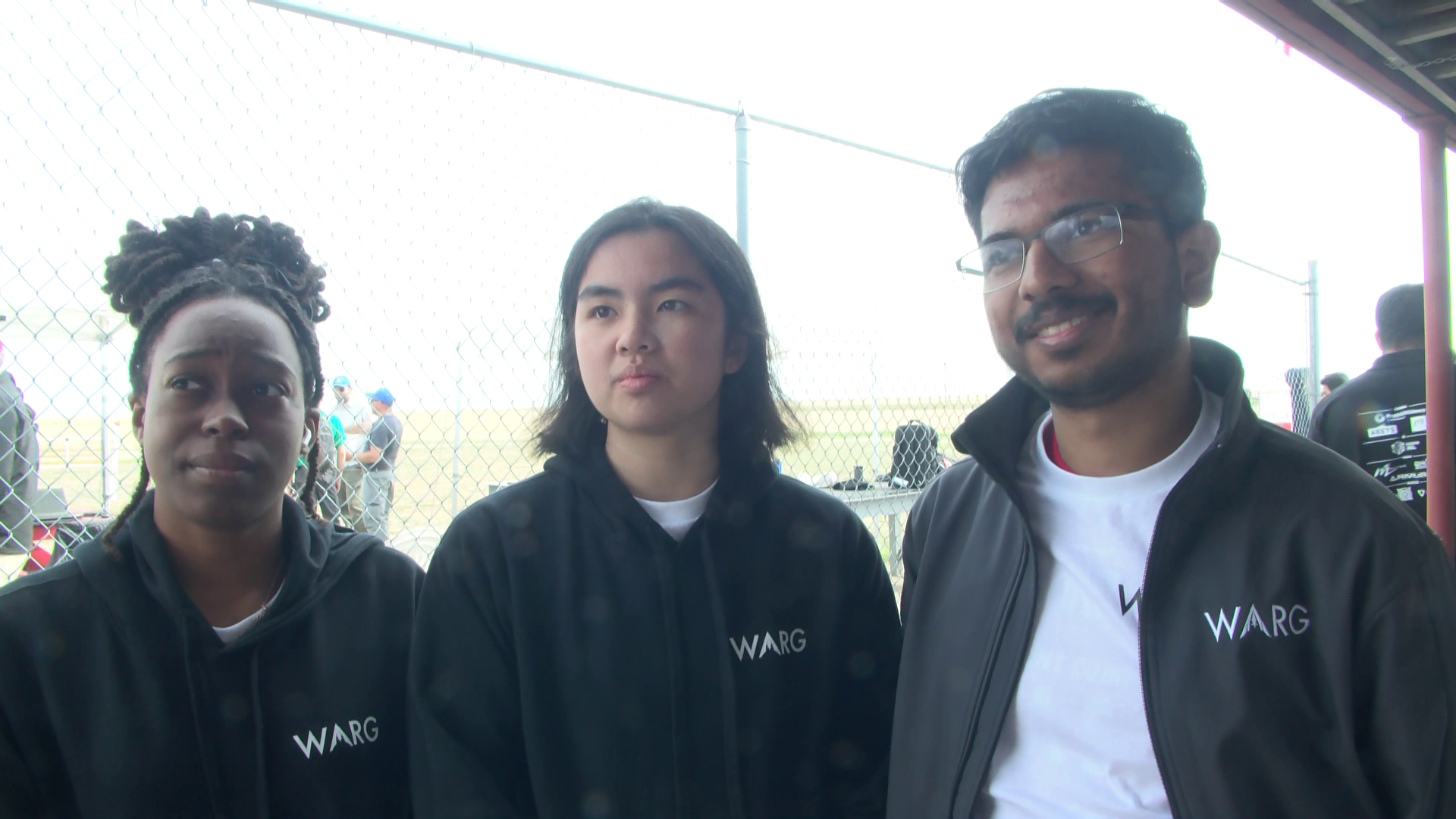
Leninrajan (right) said drone operation relies heavily on autonomous operation. Jayk Sterkenburg/CHAT News

Community Futures Entre-Corp said Medicine Hat is poised to make a significant impact on the future of the commercial drone industry.

It said this is in part to the city being home to key infrastructure assets, and now hosting a competition showcasing its commitment to fostering the next generation of talent in aerospace innovation.