SUBSCRIBE! Sign up for our daily newsletter and never miss a story!

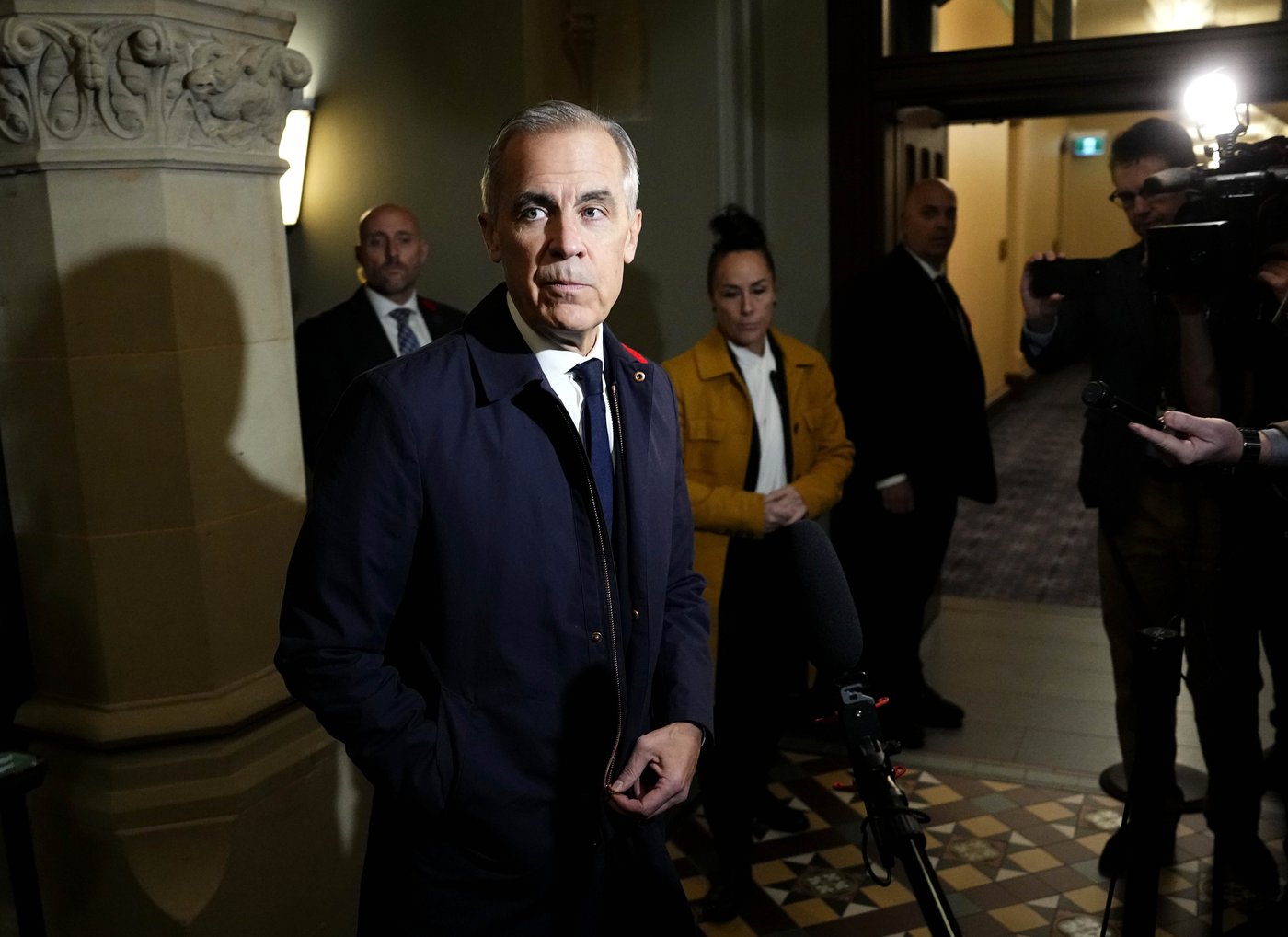
Prime Minister Mark Carney arrives on Parliament Hill before a meeting of the federal cabinet in Ottawa, on Tuesday, Oct. 27, 2026. THE CANADIAN PRESS/Justin Tang

Carney says Ottawa’s Indian Act review might not end up abolishing the law

Oct 27, 2026 | 7:58 AM

OTTAWA — A new process to review the Indian Act won’t necessarily lead to the controversial legislation’s termination, Prime Minister Mark Carney clarified on Tuesday.

On Monday, at a historic gathering of premiers, Carney and First Nations, the prime minister said he was “very open to” the idea of abolishing it.

The law from 1876 gives Ottawa sweeping powers over First Nations communities and people, including by defining who qualifies for recognition and what reserves can and can’t do,. It also dismantles traditional forms of governance and, at one point, outlawed ceremonial practices.

It even governs First Nations people after death, with the Indigenous Services minister required to approve of wills for people living on reserve, or to void them altogether if they see fit.

Manitoba Premier Wab Kinew, who is Anishinaabe, called for the repeal of the Indian Act during a break in the meeting in Ottawa.

Previous prime ministers have tried and failed to reform or get rid of the legislation, including former Liberal prime minister Jean Chrétien who introduced what was known as the “White Paper” in 1969 when he was Minister of Indian Affairs in the government of Pierre Trudeau.

The document called for the abolition of the Indian Act, an end to Indian status, the absorption of First Nations people as ordinary Canadian citizens, the termination of treaties and the privatization of reserve lands.

The proposal received widespread pushback from First Nations leaders who countered with the “Red Paper,” calling Chrétien’s plan assimilationist and one that would lead to the erasure of distinct cultures.

Carney said the federal government will work with First Nations and the provinces and territories to review the Indian Act and suggest possible replacements for it.

Most First Nations chiefs agree the legislation is outdated and restrictive, but there is little consensus on what replacing or repealing the Indian Act should look like.

This report by The Canadian Press was first published Oct. 27, 2026.

Alessia Passafiume, The Canadian Press