SUBSCRIBE! Sign up for our daily newsletter and never miss a story!

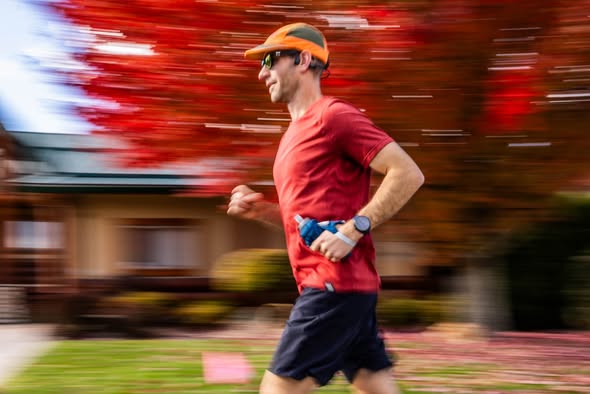
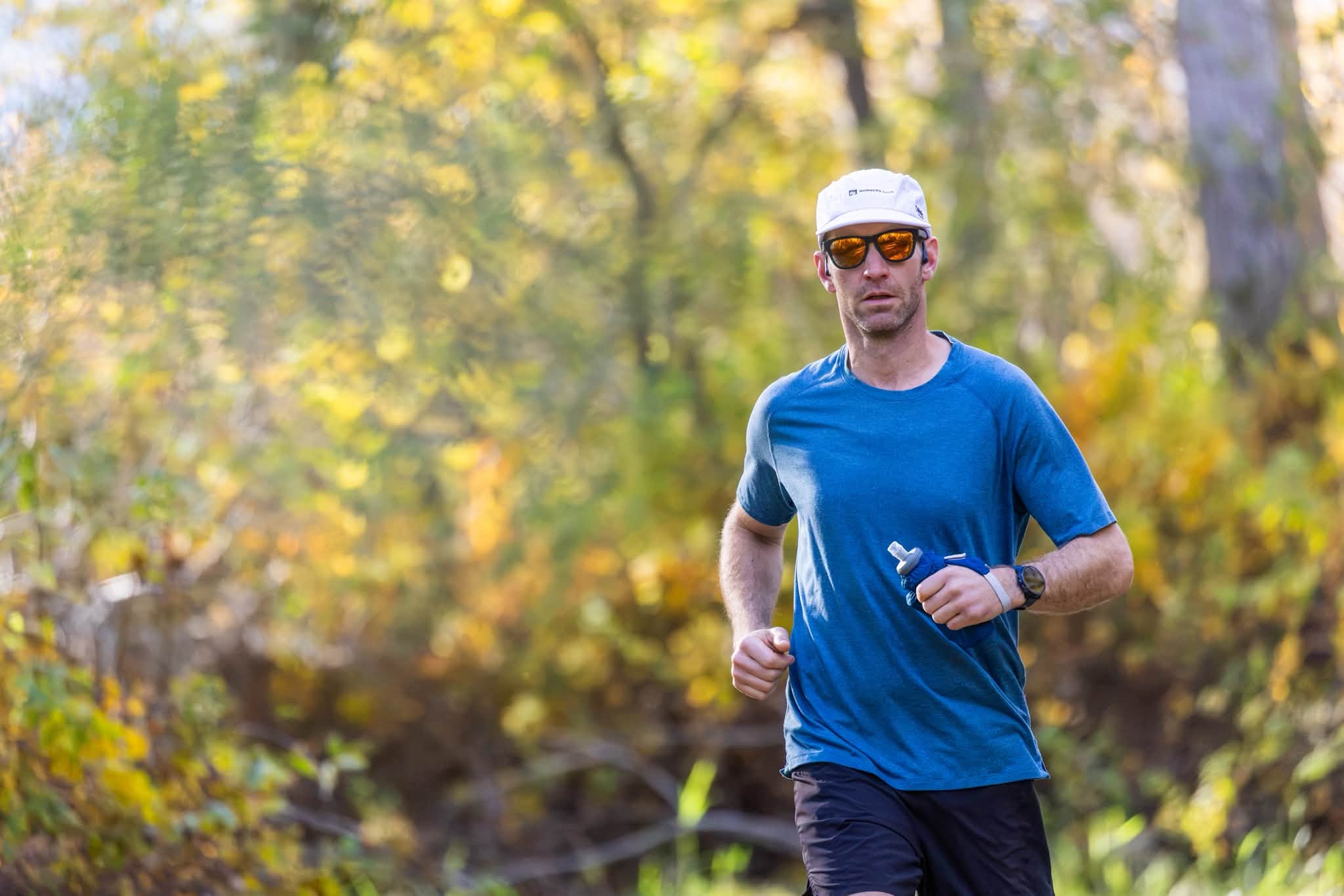
Medicine Hat's Keith Harder running at the 2026 Canadian Backyard National Team Championship in Sicamous, B.C. (Image Credit: Vanessa Garrison Photography/Lewiston Ultra Events)
Smile Sundays

Medicine Hat runner sets personal best as Team Canada posts record result at world event

Oct 25, 2026 | 6:00 AM

Keith Harder ran 44 hours and 295 kilometres at the Backyard Ultra World Team Championship as Canada finished ninth among 67 countries.

The Medicine Hat runner who grew up in nearby Maple Creek returned with a new personal best as part of Canada’s strongest team performance at the international event.

Harder ran at the championship in Sicamous, B.C., which began Oct. 17. The 41-year-old surpassed his previous personal best of 42 hours, set when he won the Old Man Backyard Ultra in Lethbridge in 2025.

The result was particularly satisfying given the training setbacks he experienced in the months leading up to the world championship.

Harder battled injuries throughout the spring and summer, leaving him short of the training volume he had hoped to complete before representing Canada.

“Maybe not as happy with the result as I was happy with the effort,” Harder said.

“I was still able to go out there and really have the best effort I think I could have had.”

Despite the challenges, he said the experience exceeded his expectations, from the event’s organization to the opportunity to compete alongside runners from across Canada.

“All around, a great experience, great event,” Harder said.

“Couldn’t have asked for more from the event itself.”

—

Medicine Hat's Keith Harder running at the 2026 Canadian Backyard National Team Championship in Sicamous, B.C.
Medicine Hat’s Keith Harder running at the 2026 Canadian Backyard National Team Championship in Sicamous, B.C. (Image Credit: Vanessa Garrison Photography/Lewiston Ultra Events)

Canada finished ninth overall at the championship, outperforming its 12th-place seeding and recording its best result as a country in the team competition.

The 15-member Canadian team accumulated 830 hours of running, surpassing its previous national total by 157 hours.

The United States won the championship with 1,120 total hours, while Poland and New Zealand finished seventh and eighth, respectively, just ahead of Canada.

Harder said Canada was among the few countries to finish above its projected total, making the result particularly encouraging.

“We definitely came in and did better than what we were projected to do,” Harder said.

The championship initially attracted entries from 74 countries, although 67 ultimately started, according to Harder. Some countries had to cancel because of extreme weather in their areas.

The event uses the Backyard Ultra format, which requires runners to complete a 6.7-kilometre loop every hour. Competitors can choose their own pace but must finish each loop within the allotted time and be ready to start again when the next hour begins.

In the team championship, each country can field up to 15 runners, with the total number of completed loops determining the final standings.

The format puts a premium on consistency, endurance and the ability to manage fatigue over several days.

Canada’s Michael Serani, from Kelowna, was the country’s final runner to remain in the competition, completing 82 hours. Michael Rouleau, from Sudbury, Ont., ran for 81 hours.

Harder finished his own race at 1 a.m. Pacific time on Monday.

—

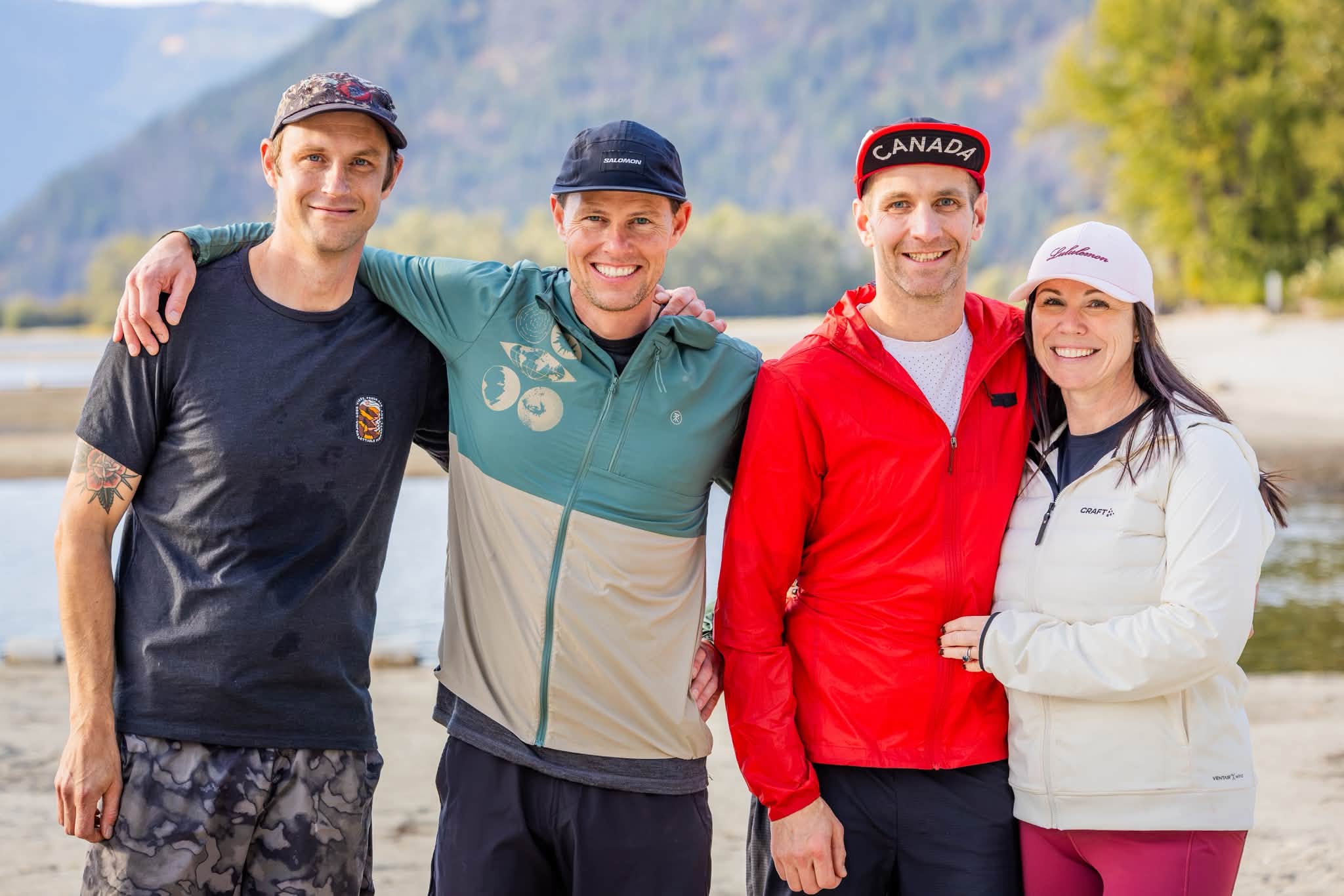
Medicine Hat's Keith Harder pictures with his crew at the 2026 Canadian Backyard National Team Championship in Sicamous, B.C.
Medicine Hat’s Keith Harder pictures with his crew at the 2026 Canadian Backyard National Team Championship in Sicamous, B.C. (Image Credit: Vanessa Garrison Photography/Lewiston Ultra Events)

While the personal achievement was significant, Harder said the camaraderie among Canada’s runners was one of the most memorable aspects.

The national team brought together competitors from across the country, from Kelowna, B.C., to Paradise, N.L., creating an opportunity for runners with different backgrounds and experiences to work toward a common goal.

Before the event, Harder wondered whether competitors would focus primarily on their individual performances. Instead, he found a team that consistently put collective success ahead of personal ambitions.

He recalled one Canadian runner who was struggling with knee pain and having difficulty completing the hourly loops. Other teammates adjusted their own plans to help keep the runner going for another hour or two.

Those decisions meant some athletes had to alter their own race strategies to support a teammate and help the country accumulate more running hours.

“The camaraderie amongst everybody was far better than I could have ever imagined it would have been,” Harder said.

“It couldn’t have been more of a team atmosphere.”

The shared experience also helped the hours pass more quickly, Harder said, as runners rotated between companions, learned about one another’s lives and supported each other through the physical and mental challenges.

He described the competition as one of his favourite events he has participated in.

“Anytime you go through hardships, it really pulls you together when you’re struggling through the same thing with other people,” Harder said.

Harder also credited his approach to nutrition, hydration and rest for helping him.

“I think your nutrition, your drinking, your hydration, being able to sleep — that’s all such a big part of it,” Harder said.

“I think I was just better at that, which made up for maybe my lacking in some of the other areas, like in the training.”

—

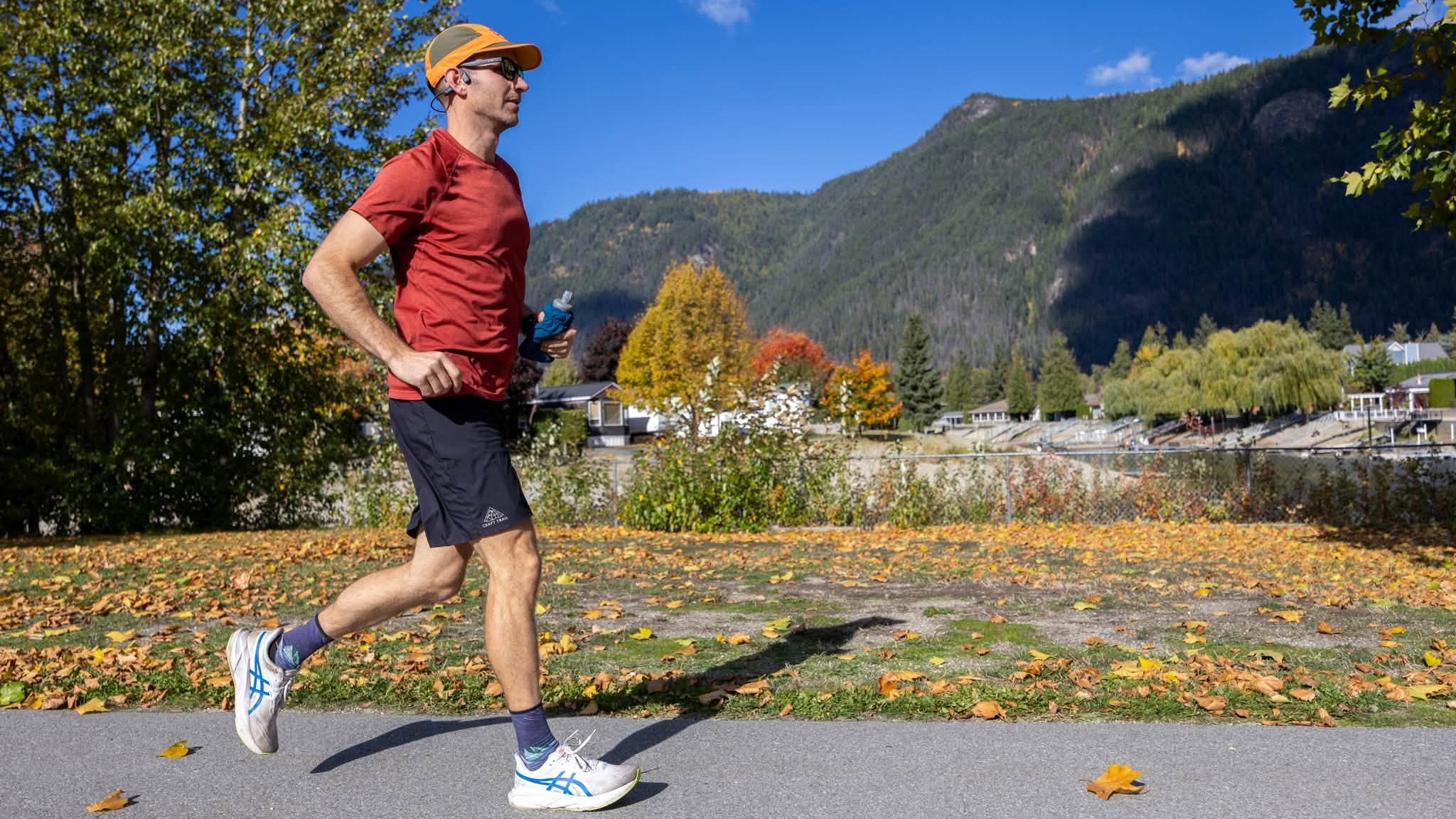
Medicine Hat's Keith Harder running at the 2026 Canadian Backyard National Team Championship in Sicamous, B.C.
Medicine Hat’s Keith Harder running at the 2026 Canadian Backyard National Team Championship in Sicamous, B.C. (Image Credit: Vanessa Garrison Photography/Lewiston Ultra Events)

The format requires runners to balance their pace with the need to eat, drink and recover between hourly starts. As the race stretches into the night and beyond, managing sleep and maintaining mental focus become increasingly important.

Harder typically aims to complete a loop in about 49 to 52 minutes, giving him several minutes to refuel, change clothing or shoes and prepare for the next start.

He acknowledged that stopping after 44 hours was disappointing, especially while watching teammates continue running. But knowing he had given his best effort helped him accept the result.

“Next time, probably be looking to do a little bit better again,” Harder said. “I think that’s what it’s all about.”

Some of the world’s best Backyard Ultra runners weren’t as young as some might expect.

Two Belgian competitors, aged 52 and 56, each completed 124 hours of running, setting a new world record for the format, according to Harder.

Achievements that stood out as an example of how athletes can continue to perform at an elite level well beyond the ages often associated with competitive sport.

Canada had its own example in Benoit Labreche, a 59-year-old retired military paramedic who completed 64 hours.

Harder said Labreche’s performance was especially inspiring, noting that he was able to sustain the effort while continuing to enjoy the experience.

“It’s great to see how so many different styles of runner are able to succeed within the format,” Harder said.

The performances reinforced the idea that endurance running can offer opportunities for athletes of different ages, backgrounds and abilities to challenge themselves and achieve ambitious goals.

Harder hopes the event can also encourage others to take up running or find another form of physical activity that brings them enjoyment.

Although Harder said the prospect of working his way back onto Team Canada might seem daunting immediately after the championship, he understands why runners continue trying to qualify for another opportunity.

The combination of international competition, personal achievement and the relationships developed with fellow athletes made the experience worthwhile.

Harder does not yet know when he will have another opportunity to represent Canada, but he left Sicamous with an experience he said he will always remember.

“It was definitely something that I’ll never forget,” Harder said.

—

READ: Medicine Hat runner set to represent Canada at Backyard Ultra World Team Championship (Oct. 4, 2026)