SUBSCRIBE! Sign up for our daily newsletter and never miss a story!

(Image Credit: Jacquesdurocher347/Dreamstime)
Tariffs

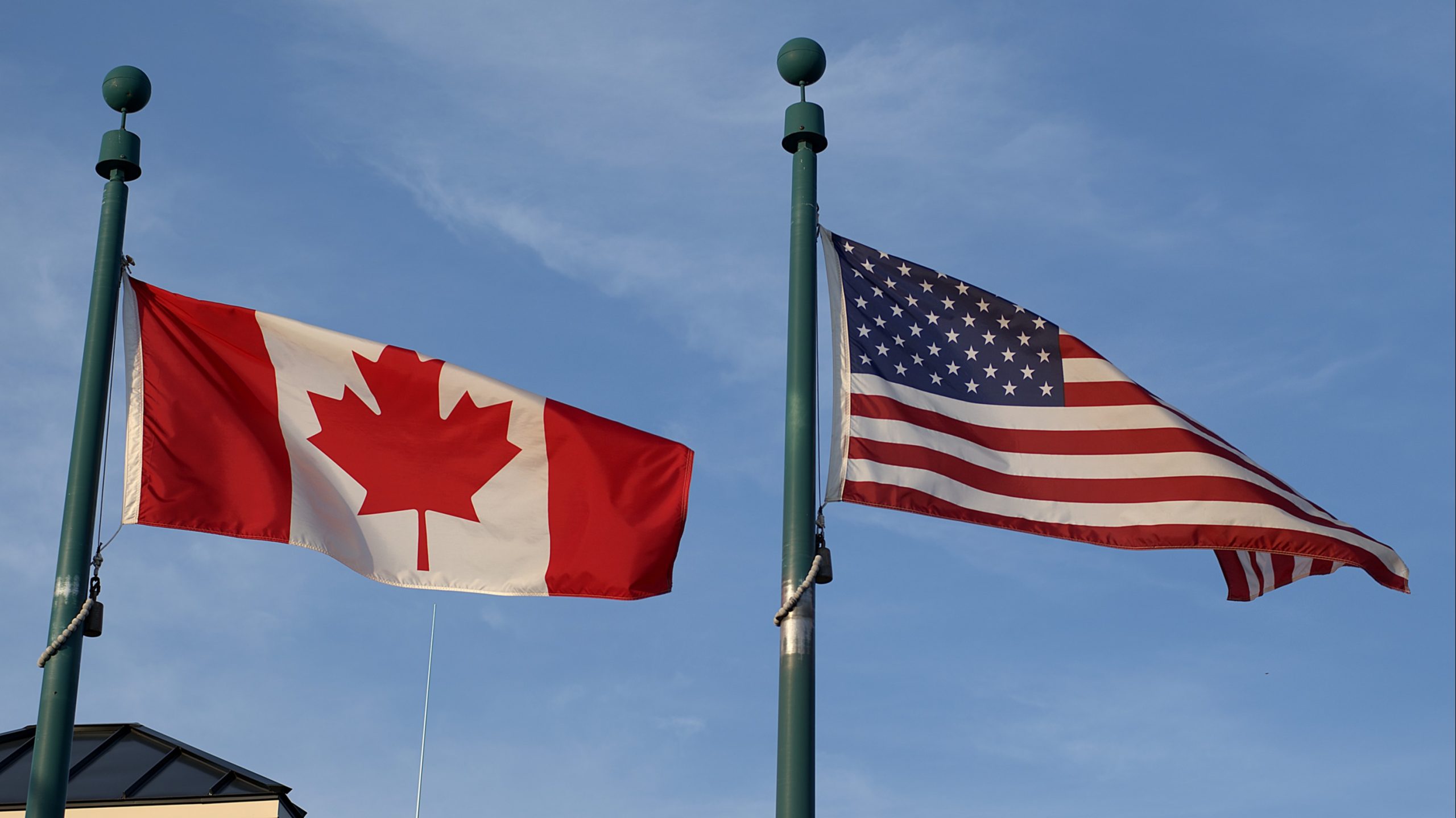
Southeast Alberta Chamber calls for action as Canada-U.S. trade dispute intensifies

Aug 27, 2026 | 7:50 AM

The Southeast Alberta Chamber of Commerce is calling for immediate action to strengthen Canadian competitiveness, reduce regulatory barriers, improve internal trade and diversify markets as uncertainty surrounding the Canada-U.S. trade dispute grows.

The Chamber says recent tariff actions by Canada and the United States are putting additional pressure on businesses throughout Southeast Alberta, where the economy relies heavily on integrated North American supply chains and access to domestic and international markets.

The Chamber says new tariffs and counter-tariffs are expected to raise costs, disrupt supply chains, delay investment decisions and create further uncertainty for employers and workers.

The Canadian Chamber of Commerce has described Canada-U.S. trade relations as entering “uncharted territory”. It has emphasized the need for a coordinated response to support businesses, workers and families during the economic uncertainty.

Aaron Fleming, president of the Southeast Alberta Chamber of Commerce, said businesses in the region have demonstrated resilience through years of challenges, but emphasized that more needs to be done to address structural issues affecting competitiveness.

“Businesses in Southeast Alberta are resilient, but resilience alone is not a strategy, as they’ve dealt with challenge after challenge for over a decade now,” Fleming said.

“This trade dispute underscores the need to address long-standing barriers that limit Canada’s competitiveness. We need policies that encourage Canadian businesses to do business within Canada, and the infrastructure to do so,” he added.

“We need governments and governance that encourage international trade and open the routes up to business. We need governments on both sides of our border to remember the great allies we are and make a trade deal that builds our economies that jointly rely on each other.”

The Chamber says local businesses have already reported concerns about rising costs, inventory availability, supplier challenges, inflation and policy uncertainty.

Those pressures could intensify as tariffs move through supply chains, and increase the cost of equipment, materials, technology and consumer goods.

While the Chamber says Canada must defend its interests and support workers affected by tariffs, Fleming said governments also need to focus on measures within their control.

“Canada cannot tariff its way to prosperity,” Fleming said.

“We need to focus on what we can control. That means reducing unnecessary regulatory burdens, eliminating barriers to internal trade, improving labour mobility, accelerating nation-building infrastructure, and creating the conditions that allow businesses to compete and grow,” he added.

“We need to tear down our internal borders, work together as a country, and set an example on how to be neighbours to forge a trade deal that works.”

The Chamber says internal trade barriers continue to restrict commerce within Canada, limiting opportunities for businesses to expand and reducing economic efficiency.

It says removing those barriers represents one of Canada’s most significant economic opportunities and is an important step toward improving resilience during international trade disruptions.

The Chamber is also calling for greater market diversification and export growth.

“Too many Canadian businesses remain overly dependent on a single market,” Fleming said.

“This is a critical opportunity to strengthen trade relationships across Canada and around the world, expand export opportunities, and support businesses in reaching new customers,” he added.

“Diversification is not simply a response to today’s challenges; it is an investment in Canada’s long-term prosperity.”

The federal government has announced additional support measures for businesses affected by tariffs, including expanded funding through the Regional Tariff Response Initiative, financing supports, market diversification initiatives and worker-retention programs.

The Southeast Alberta Chamber of Commerce says it will continue working with businesses, industry associations, governments, and the Canadian Chamber network to ensure local concerns are heard, and businesses have access to available information, supports and advocacy.

“Our message is straightforward,” Fleming said.

“Protecting Canadian businesses means more than responding to tariffs. It means building a stronger, more competitive economy by reducing barriers, improving productivity, expanding market access, and creating an environment where businesses can thrive,” he added.

“If we take the right actions now, this challenge can become an opportunity to build a stronger Southeast Alberta and a stronger Canada.”