SUBSCRIBE! Sign up for our daily newsletter and never miss a story!

File Photo/CHAT News
CITY HALL

Medicine Hat will not set up municipally controlled corporation to run energy business

Jul 22, 2025 | 7:31 AM

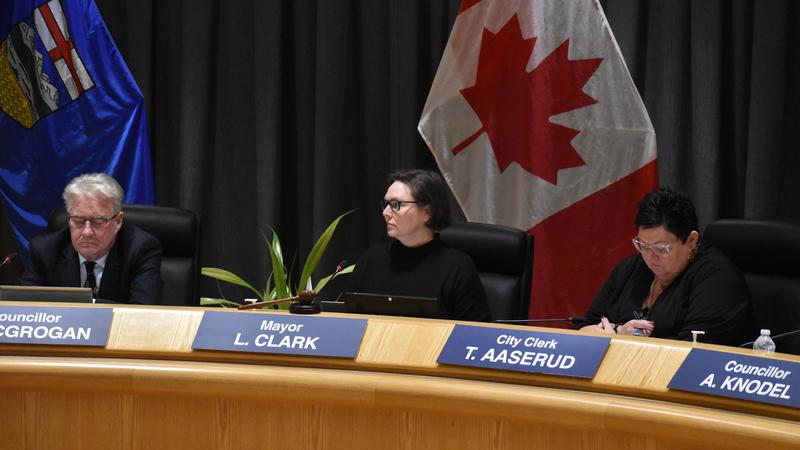
There was cheers from several in the gallery at Medicine Hat council chambers after it was announced that the city would not be going ahead with a municipally controlled corporation to run their energy business.

In a close 5-4 vote the MCC was not put in place.

The four council members who voted in favour of the MCC where Robert Dumanowski, Cassi Hider, Darren Hirsch and Andy McGrogran.

The five in opposition were mayor Linnsie Clark and councillors Allison Knodel, Ramona Robins, Shila Sharps, and Alison Van Dyke


The city has owned the energy business for nearly 125 years.

A third-party review by KPMG suggested the creation of a municipally controlled corporation, that would have still ultimately answered to the city.

This MCC had support from the cities energy head Rochelle Pancoast and her staff.

It would have been run by a board of experts and paid dividends to Medicine Hat, lifting day-to-day operational responsibility away from council.

Also recommended by KPMG is the establishment of a rate review committee that would determine what shows up on the bills of electricity and natural gas ratepayers.

A decision on setting that up was deferred to a September meeting by council.

READ: Medicine Hat council should leave energy business revamp vote until after election, residents say

During the June 24 council meeting, several residents called on Medicine Hat’s elected representatives to defer a vote on spinning off its energy business into an arms-length corporation until after the next civic election.

After some debate, the item was then deferred by council to the July 21 meeting.

Municipally-controlled corporations are found in several municipalities across Alberta, including in Edmonton, St. Albert and others.

Launching an MCC could have cost a one-time $4 to $5 million fee to set up.

A budget amendment of $4 million listed in Monday’s agenda would have come out of the energy transition reserve fund.

Ongoing operating costs for the board, new positions, systems and additional allowance for further transition could have cost $2 to $3 million annually, working out to one to two per cent of the city’s annual operating costs.

– With files from Eli Ridder