SUBSCRIBE! Sign up for our daily newsletter and never miss a story!

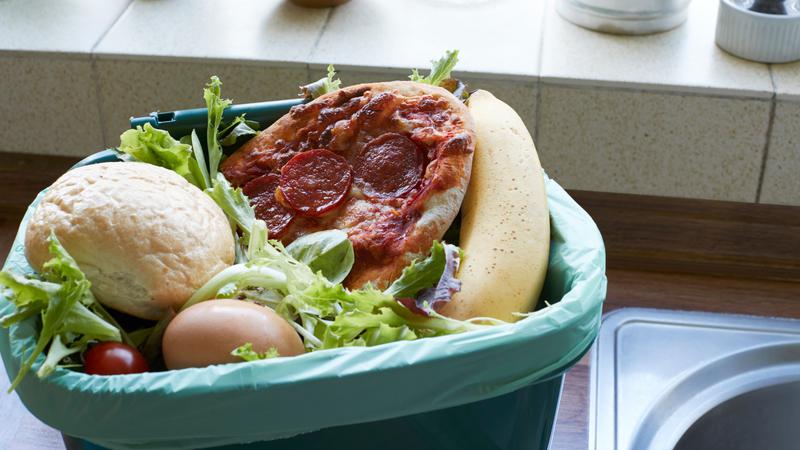
Survey results of Medicine Hat's food waste pilot program show 94 per cent approval rate. Katie Nesling/Dreamstime.com
CITY HALL

City of Medicine Hat hopes high approval of food waste programs convinces council

Apr 22, 2025 | 5:00 PM

Survey results were made available from Medicine Hat’s Food Waste Pilot Program run, with 94 per cent of participants indicating they would take part in a city-wide program if it were to be approved by council.

Shane Briggs, the city’s waste and recycling manager, said, in a perfect world, the city would have kept the program running based on the positive feedback.

“We’re really happy with that. I don’t know if you could ask for better results actually, so we had a lot of participation,” he told CHAT News on Monday.

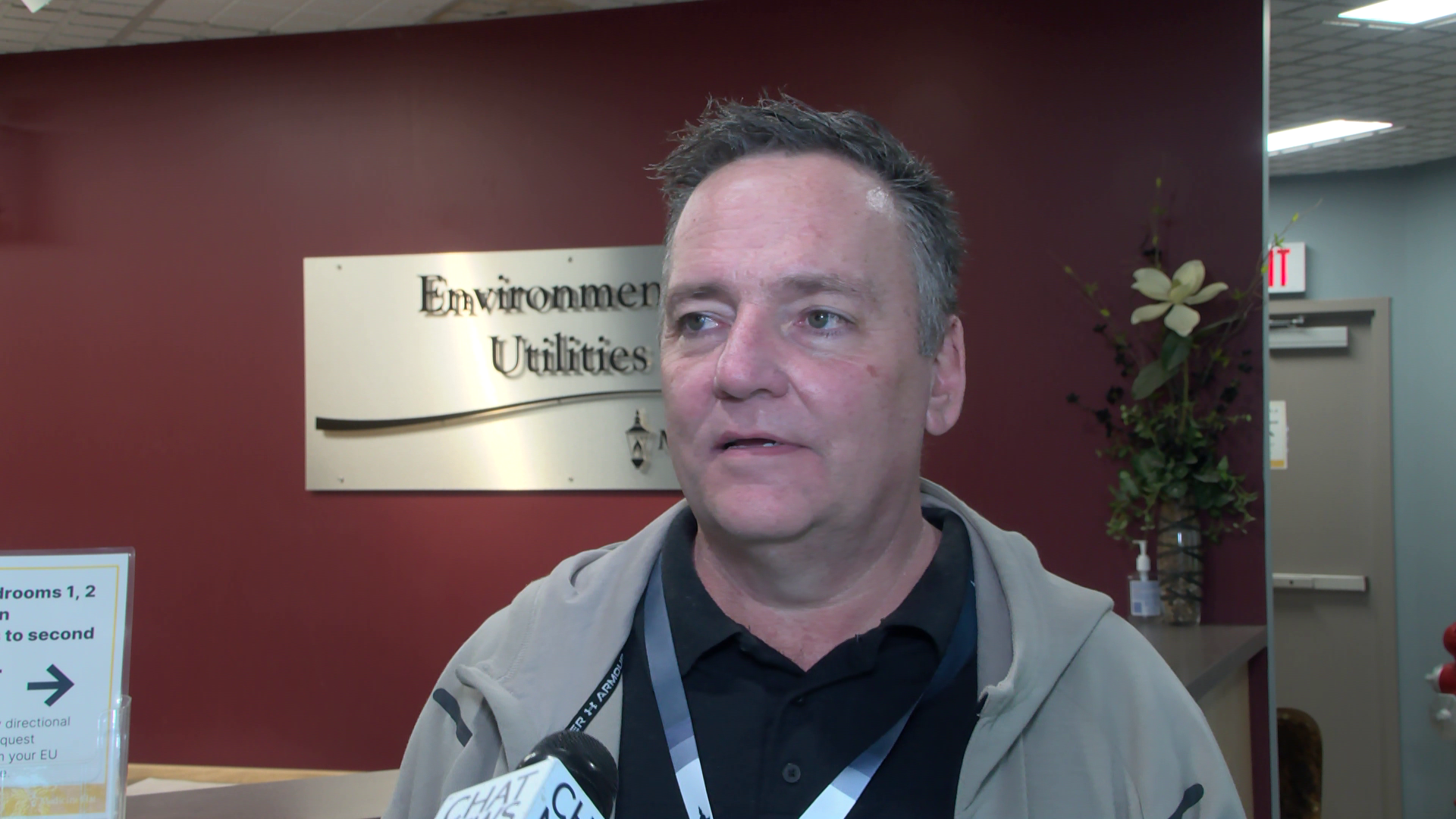
Briggs said the city now has the feedback from the program to provide council to make an informed decision on whether the program could be fully implemented.

“This way they have the facts, and they have the data, and they don’t have to be worried about political opinions,” he said.

Briggs said the city now has the feedback from the program to provide council to make an informed decision. Jayk Sterkenburg/CHAT News

The city says similar concerns remained throughout all three phases of the program, despite positive feedback.

Additional costs of a new program, mess and odor, pest attraction during the warmer months and freezing food waste in the winter months were common sentiments.

If a city-wide food waste collection program does begin, the city says respondents would like to see solutions that make the program more accessible and convenient.

Recommendations include building capacity to allow compostable bag use and access to people living in multi-unit buildings.

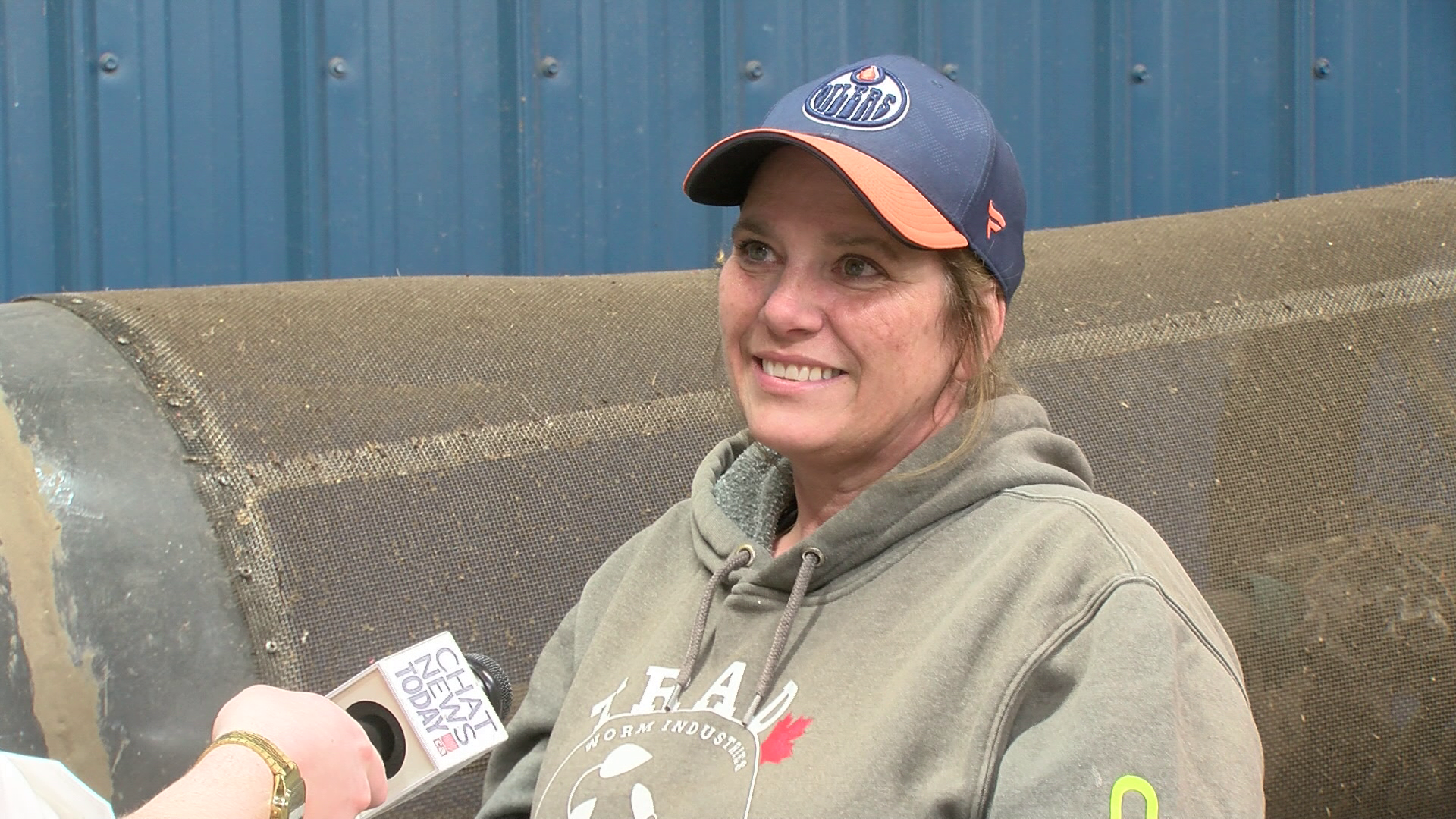
Roxanne Doerkson, owner of T.R.A.D. Worm Industries, offers an independent organic food waste collection service through the farm.

It assists locals in diverting food waste from the landfill, reducing environmental pollution.

She said the results of the pilot program support the idea that Medicine Hat understands food security and soil health are important.

“People always want to do the right thing,” she said.

“In this aspect, utilizing composting and the city composting as a way to not only keep organic things out of the landfill, but the ability to recover the nutrition of that food and being able to put it back into our soil is a really important thing,” she added.

“When they have the opportunity to do the right thing, they will.”

Doerkson said the results of the pilot program support the idea that Medicine Hat understands food security and soil health are important. Kevin Kyle/CHAT News

Doerkson said the city created a positive feedback loop by quickly responding to questions, from a community that mostly wasn’t familiar with the concept.

“I think a confused mind says ‘No’,” she said.

“When somebody is like, ‘Guess what? Now we’re going to put all this gross food that is waste. And we’re going to put it in a container. And we’re going to let it sit there for a week. And then we’re going to put it somewhere’,” she added.

“When you bombard people with terabytes worth of information, and they don’t have a platform in which to understand it, I think that is why it was maybe a little bit hands off at the beginning.”

She said the city did a good job providing information to residents about the program throughout its run.

The Medicine Hat Landfill currently has a lifespan expectancy of the year 2039.

To address this, the city has previously asked residents to reduce waste.

It is also a reason the food waste program was explored initially.

Briggs said everybody thinks 2039 is a long ways away, but said it really isn’t — as it’s 14 years from now.

“We’re just trying to get on top of everything now, so we’re not really taking advantage after the 14 years,” he said.

“That means a lot to us. And maybe we’ll be gone, but our kids’ kids- it’ll be a better environment for them.”

The city says in future food waste initiatives, it’s important to be able to demonstrate the impact, how it translates into savings for the community and remains consistent over time.

It says this can help maintain support among food waste management advocates — and build trust with those who currently do not support it.