SUBSCRIBE! Sign up for our daily newsletter and never miss a story!

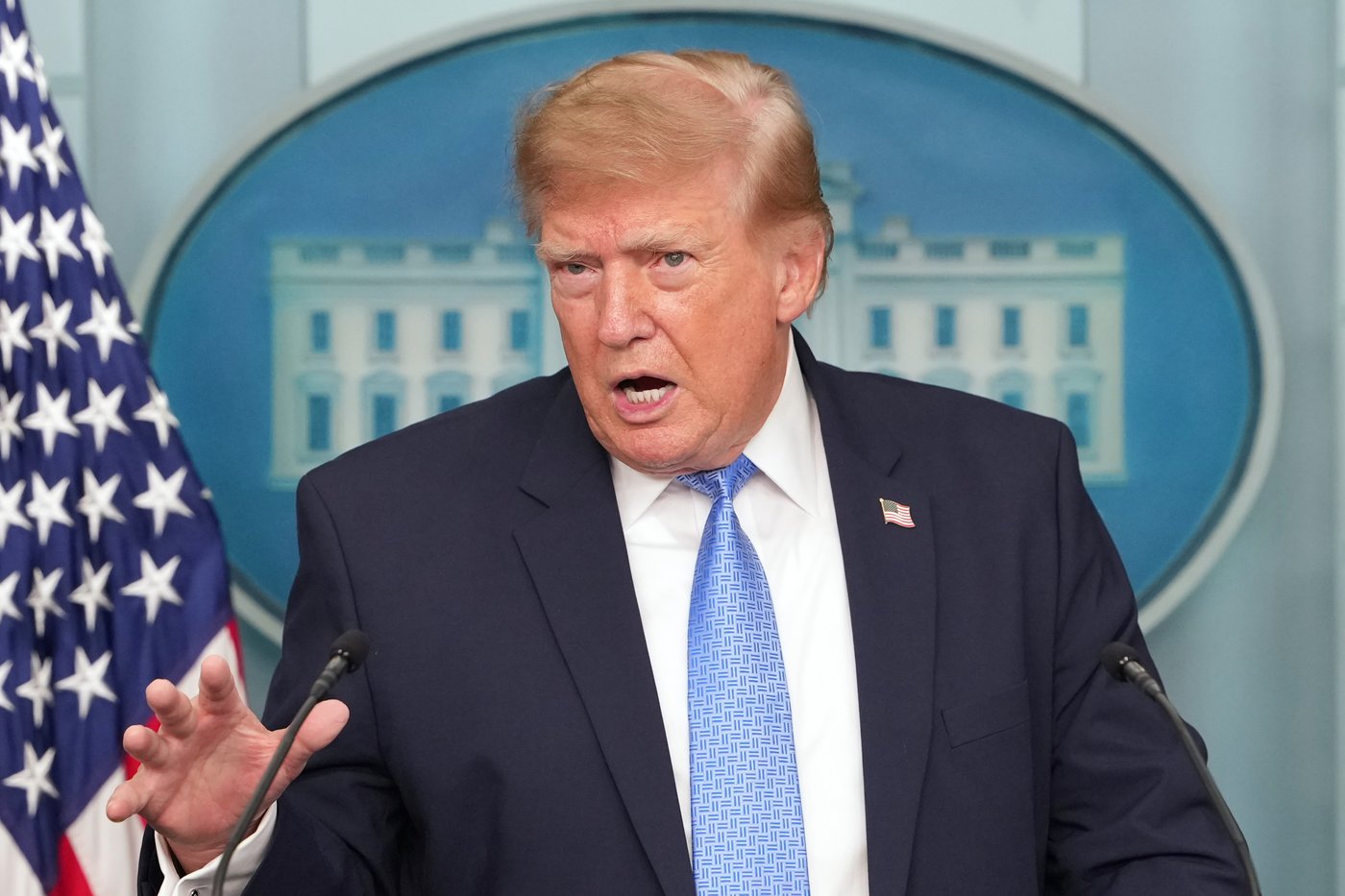
President Donald Trump speaks in the James Brady Press Briefing Room at the White House on Monday, Nov. 9, 2026, in Washington. (AP Photo/Alex Brandon)

Network of deepfake videos spreading ‘politically divisive’ falsehoods in Canada

Nov 12, 2026 | 1:11 PM

OTTAWA — A network that’s likely based outside of Canada is using deepfakes to spread “politically divisive” content to Canadians, says a new report released Thursday.

The report from McGill University’s Centre for Media, Technology and Democracy says the network uses deepfakes of real influencers. It combines the faces of real people with fake lip movements and voices generated by AI.

“We do not know what the network is for, but its operators are willing to steal faces and spread falsehoods that set Canadians against the United States, against their own government and against each other,” the report says.

Using footage of real people likely keeps the videos from being flagged as AI, the report says, noting that TikTok has only labelled four per cent of such videos as AI.

It says many of the videos focus on the U.S.-Canada trade war and the most-watched videos include false information.

They include a video about a non-existent 48-hour ultimatum from U.S. President Donald Trump which falsely says Prime Minister Mark Carney responded by cancelling $8 billion in U.S. defence contracts.

“This never happened, but the story was shared in 161 videos on 129 accounts and played 5.1 million times,” the report says.

The people who comment on the videos don’t seem to realize they are fake, with only 6.3 per cent saying the video is inauthentic or propaganda.

“The rest agree or argue with the content in the video, and one in ten speaks to the narrator as a real person: thanking them, praising them, or telling them to check their facts,” the report says.

The videos don’t have a consistent perspective on the trade war. The report says the accounts take both sides, “and narrators switch nationality too, presenting themselves as Canadian in some videos and American in others. The effect is that Canadians are shown fabricated and misleading claims on both sides of the trade debate.”

The network includes nearly 300 TikTok and Instagram accounts and has posted more than 3,201 videos that have been seen 22.1 million times in the past three months.

The report says it’s not clear who is behind the network but it is “almost certainly” run outside of North America.

“Its posting and registration times do not fit North American time zones,” the report says. “Activity drops off during the night in East and Southeast Asia, and some accounts carry Chinese-language settings or a registration in China, the only lead we have on a country.”

The motivation of those behind the network is also unclear.

The accounts don’t push the narratives of any foreign government and have not been monetized, the report says, adding the network could be growing audiences to use later.

It says the network could also be used for testing a tool or service, or someone may be paying those behind the operation to influence Canadians.

This report by The Canadian Press was first published Nov. 12, 2026.

Anja Karadeglija, The Canadian Press