SUBSCRIBE! Sign up for our daily newsletter and never miss a story!

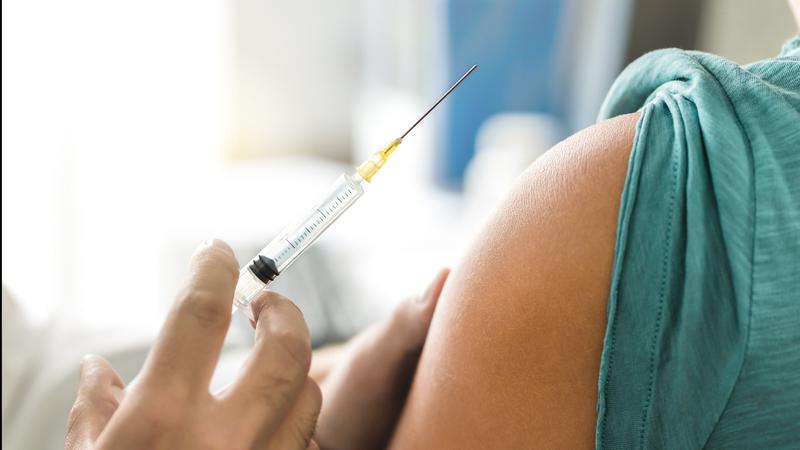
The Alberta government says it has taken steps to combat an ongoing measles outbreak across the province. Tero Vesalainen/Dreamstime
PUBLIC HEALTH

Medicine Hat doctor blames Alberta government inaction for measles outbreak

May 13, 2025 | 1:47 PM

A Medicine Hat emergency room doctor says the Alberta government’s lack of effort to inform citizens about the effectiveness of vaccines has helped spur an ongoing measles outbreak across the province.

“In the last couple years our government seemed to actively suppress any kind of education and push and advocacy around vaccines,” Dr. Paul Parks said.

“We’re paying the price for that in massive ways now in our health care system and it really should never have gotten to that point.”

There are 374 total known cases of measles in Alberta as of Tuesday, including 238 in the South Zone where Medicine Hat is located, Alberta Health Services reported.


The Alberta Ministry of Health refuted the claim it hasn’t done enough in a statement to CHAT News on Tuesday.

“Dr. Parks’ comments are misleading and overlook the extensive efforts Alberta’s government has made to promote measles immunization and inform Albertans,” the ministry said.

“Since the beginning of the outbreak, Alberta’s government has taken swift and proactive measures.”

The province in April started issuing exposure notifications and messaging that encouraged Albertans to check vaccination records.

Health Minister Adriana LaGrange on May 5 announced further measures to tackle measles throughout Alberta.

That included a new radio, print, digital and social media advertising campaign urging people to get immunized.

Clinics in the hardest-impacted south and central zones started accepting walk-ins for measles vaccinations and extended hours for appointments.

A new early vaccine dose was made available for infants six to 11 months of age in the south, central and north zones, an add-on to the routine immunization schedule at 12 and 18 months.

The health ministry insisted its efforts are already showing results.

“For instance, between the weeks of March 16 and April 27, a total of 37,242 measles vaccines were administered—an increase of nearly 68 percent compared to the same period last year,” it said.

The ministry also pointed out vaccination rates for the week ending April 27 in the South Zone were two and half times higher than the same week a year ago, a 150 per cent increase in vaccinations.

Parks said in a Monday interview the ruling United Conservatives need to do more.

“Our vaccination rates across Alberta are probably the worst they’ve ever been and a lot of that has to do with misinformation,” said Parks.

Dr. Paul Parks was previously the president of the Alberta Medical Association, an advocacy group for the province’s physicians. Supplied/AMA

He argued political ideology is to blame, too.

“Government might not be spreading misinformation but they’re actually not spreading information, they’re not actually educating the public,” Parks explained.

“They’re not combating misinformation.”

Opposition to public vaccines in the years since the COVID-19 pandemic has found support across Alberta.

Changes to Alberta’s Bill of Rights in 2024 aim to allow employees to take a provincial employer to court in the event of a vaccination requirement.

Anti-vaccination groups argue the COVID vaccine was created too quickly without proper testing and forced on the public.

Parks said misinformation spread by anti-vaxxers harm public health.

“These are vaccines that have been around for a long time that have a very safe track record,” Parks said.

He added that health care workers get frusterated when those with measles come into the hospital demanding antibiotics with strong side effects — instead of taking a proven vaccine to prevent the disease.

“We’re going to spend millions and millions and millions of dollars in Alberta trying to contain this measles outbreak,” Parks said.

“It’s going to mean all the other people that don’t get infectious diseases and measles will have to wait longer in our emergency departments, have to wait longer for their surgeries for their cancer care — it impacts all [of] the health care system.”