SUBSCRIBE! Sign up for our daily newsletter and never miss a story!

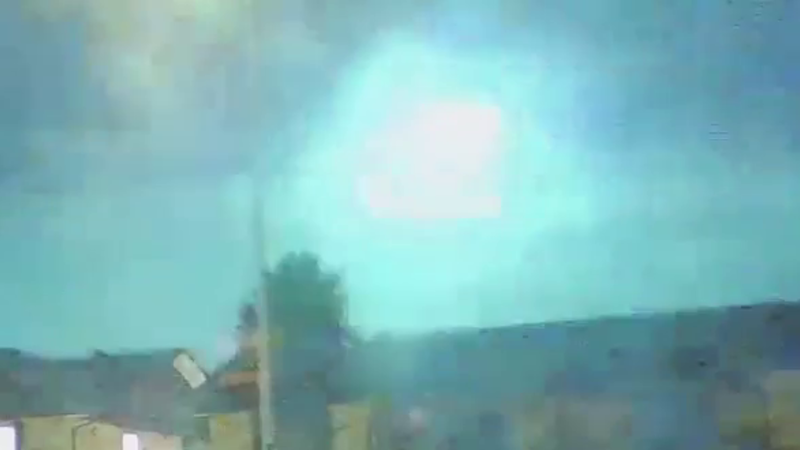
Space Debris lit up the sky in Medicine Hat on Wednesday morning at 6:34 a.m. Photo from Submitted Video
ASTRONOMY

Space debris lights up the sky Wednesday morning

Nov 13, 2024 | 5:34 PM

A bright streak lit up the night sky above Medicine Hat Wednesday morning at 6:34 a.m., that was quickly documented with posts to social media throughout the day.

Tuesday night was one of two nights for the Northern Taurid meteorites to peak, usually active Oct. 13 to Dec. 2.

On Nov. 11 and 12, they were expected to peak.

Laurie Sibbald, owner-operator of Seven Skies Astronomy north of Seven Persons, said it’s likely the result of a meteor shower.

“They happen throughout the year, different ones, and this is called the Northern Taurids that this one is likely associated with,” Sibbald said.

“Apparently It’s associated more with asteroid chunks that came off of a comet, perhaps 20,000 years ago.”

Rod DeVries, owner-operator of Eagle Butte Observatory just south of Dunmore, said there is about 50 tons of stuff from space hitting the earth every day.

“The one this morning, from the estimates of how bright it was and all the video evidence we have, probably about the size of a microwave oven,” DeVries said.

“A rock, probably mostly iron, nickel iron, about the size of a microwave slamming into the atmosphere at about 40,000 kilometers an hour.”

DeVries adds that last weekend a meteor landed just north of Medicine Hat.

Sibbald says looking at an American weather satellite near the Canadian border, they have a good idea of were the potential meteor from Wednesday morning hit.

“It hit southwestern Alberta and entered in southwestern Alberta and it was gone in a flash,” Sibbald said.

“A lot of neat camera, doorbell cameras, security cameras showed it. Seen all over the western part of North America from Alberta, B.C., Idaho, and Montana.”

Sibbald said that even a grain of sand entering the atmosphere can actually light up the sky.

“But they’re small and they streak,” Sibbald said.

“We actually have a meteor camera here that’s hooked up to a global meteor network. It’s kind of a private network for furthering science and understanding trajectories of meteors that come in to ultimately do things to be able to predict things or maybe improve the science.”

Sibbald said the space debris Wednesday morning was so bright that it over exposed his camera, but was happy to see the amount of video others were able to capture.

It’s expected meteorite hunters will be out looking to track the debris down, with it potentially worth a large sum of money if found.